

Hidden gems in Gatlinburg are the places locals send visitors once they’ve had enough of parkway traffic and taffy shops: quiet waterfalls, an 80-year-old artisan loop, a meditation labyrinth at a 1938 inn, and a backcountry lodge you can only reach on foot. None of these require a SkyBridge ticket or a parking garage.
Key Takeaways
- Great Smoky Mountains National Park welcomed roughly 12.2 million visitors in 2026 and generated over $2 billion in nearby spending, according to the National Park Service, meaning even a small detour off the main trails buys real solitude.
- The Great Smoky Arts & Crafts Community is an 8-mile loop with more than 96 working artists, established organically more than 80 years ago, and it’s free to walk.
- LeConte Lodge sits at 6,360 feet, accessible only by a 5 to 8 mile hike, with no roads leading in.
- Rachael’s Labyrinth at the Buckhorn Inn is one of the largest meditation labyrinths in the U.S. at 60 feet in diameter, and it’s free and open to visitors.
- An entrance to Great Smoky Mountains National Park sits about 5 minutes from downtown Gatlinburg, but most tourists never drive past the first overlook.
- Tennessee’s tourism sector logged $31.7 billion in visitor spending in 2026, a fourth consecutive record year, per the Tennessee Department of Tourist Development, which explains why downtown Gatlinburg feels packed even on a Tuesday.
Downtown Gatlinburg does a good job of looking like the whole story: the parkway, the arcades, the pancake houses stacked three to a block. But the real texture of this town sits a few minutes off that strip, in places that don’t buy billboard space. Ask a Gatlinburg local where they actually spend a free Saturday and you’ll hear about a wine barrel cocktail poured tableside, a labyrinth walked in silence at sunrise, or a ghost town where the Little River still runs past collapsed stone chimneys.
This guide skips the well-worn “top 10 things to do” format and instead answers the specific questions people ask before a trip: where’s the food away from the tourist strip, which trails are actually quiet, what does it cost, and how do you get there without wasting half a day in traffic. At Summit View Lodge, perched above Gatlinburg in Chalet Village North, we’ve spent years pointing guests toward these exact spots after they’ve had their fill of the parkway on day one.
As of 2026, several of these hidden gems Gatlinburg locals recommend sit within a 15-minute drive of most cabins in Chalet Village, Mynatt Park, and the Arts and Crafts area, which makes them easy to combine into a single afternoon loop rather than a separate day trip.
Where Can You Find Gatlinburg’s Best Kept Dining Secret?
The Greenbrier Restaurant is a fine-dining spot tucked into the woods along the Little Pigeon River, roughly 6 miles from downtown Gatlinburg, and it functions as the closest thing this town has to a genuine hidden gem restaurant. The dining room has floor-to-ceiling windows overlooking a forest where black bears have reportedly wandered past mid-meal, and the kitchen leans into Appalachian ingredients rather than the fried-everything approach common on the parkway.
Order the corn spoon bread as a starter and the Nashville Hot Oysters, served with a pickle “caviar” that cuts through the heat. The Chicken Marsala is a reliable entree if you want something familiar. For a drink that doubles as dinner theater, ask for the “Dylan”: a choice of three specialty bourbons poured tableside over flaming pecans set on a wine barrel stave, finished with frozen black cherry ice balls, vanilla bean syrup, and bitters.
Reservations matter here. The Greenbrier Restaurant’s official site is the place to check current hours and book ahead, especially for Friday and Saturday dinner seatings during peak leaf season in October, which is also Gatlinburg’s highest-occupancy month for short-term rentals according to AirROI data. Go on a weeknight if you want the dining room quiet enough to actually hear the river outside.
What’s the Story Behind Gatlinburg’s Artisan Loop?
The Great Smoky Arts & Crafts Community is an 8-mile loop of working studios where more than 96 local artists sell handmade brooms, stained glass, and woodcarvings, and it formed organically more than 80 years ago rather than being built as a tourist attraction. That distinction matters: this isn’t a manufactured “craft village,” it’s a working neighborhood of studios that predates most of Gatlinburg’s modern tourism infrastructure.
Specifically, the loop runs along Glades Road and Buckhorn Road on the east side of town, a stretch most visitors driving straight to Pigeon Forge never see. Park at any studio and walk between a handful of neighbors rather than trying to hit all 96 in one visit; most people manage 8 to 12 stops comfortably in a half day. Broom-making demonstrations and glassblowing are the two crafts worth timing your visit around, since watching the process is often more memorable than the finished piece.
The Great Smoky Arts & Crafts Community’s official site maintains a current map and artist directory, worth checking before you go since some studios keep seasonal hours in winter. Weekday mornings are quietest; weekends bring bus tours starting around midday.
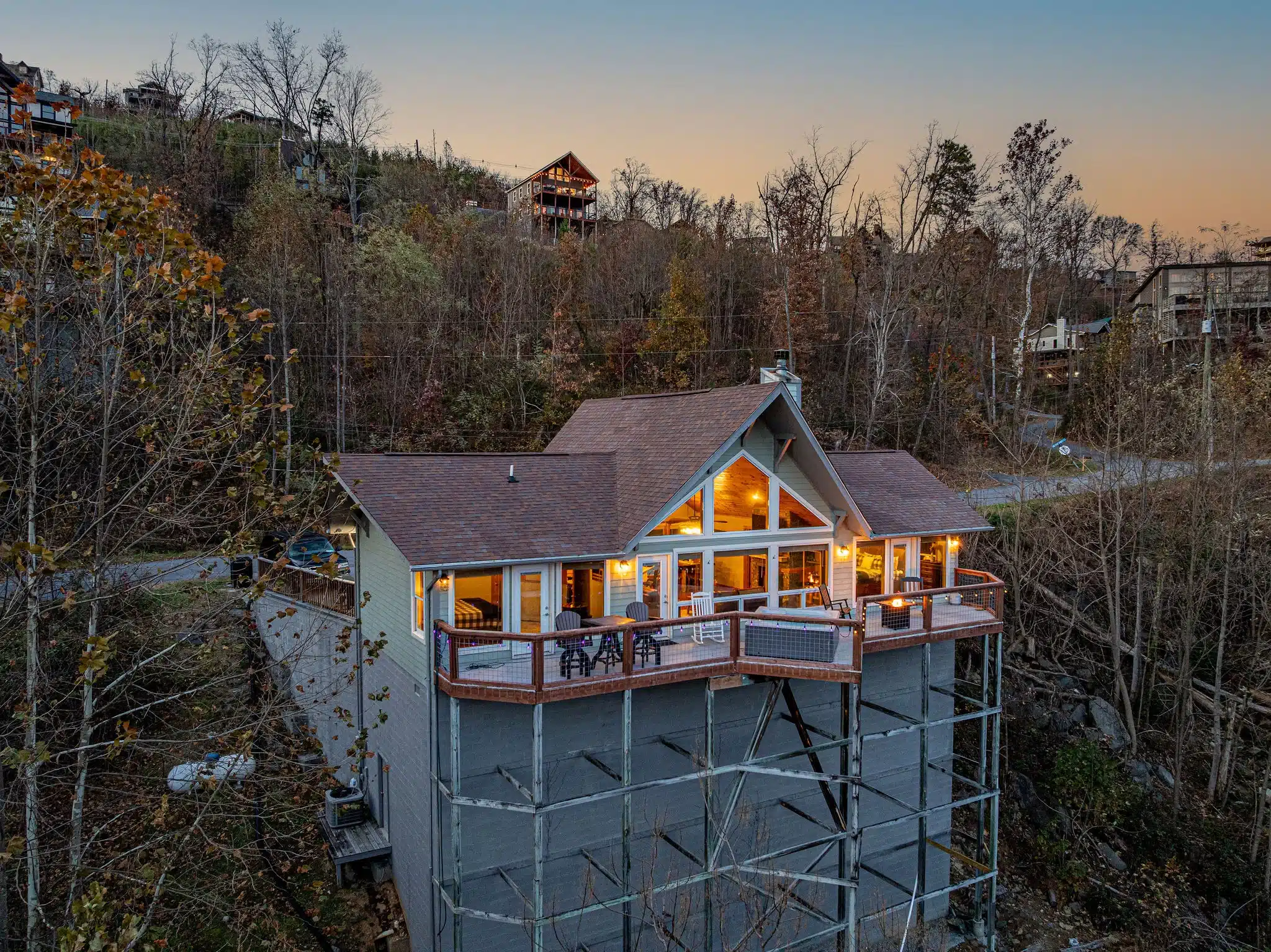
Is There a Meditation Spot Near Gatlinburg That Isn’t Crowded?
Rachael’s Labyrinth at the Buckhorn Inn is a 60-foot diameter meditation labyrinth, one of the largest of its kind in the United States, and it sits on the grounds of a bed-and-breakfast that has operated since 1938. The labyrinth honors Dr. Rachael Young, a founder of the Knoxville Wellness Center, who purchased the inn in 1979 and built the space as a quiet counterpoint to downtown’s noise.
Walking the labyrinth is free and open to the public during daylight hours, and it takes most people 15 to 20 minutes to walk the full path at a slow, deliberate pace. Go at sunrise or just before sunset for the best light and the fewest other visitors; midday can bring a handful of inn guests through as well.
If you want to extend the visit, the Buckhorn Inn opens public dinner reservations exactly one week in advance, serving a three-course fixed menu, soup, bread, entree, and dessert with coffee, priced around $40 Sunday through Friday and $50 on Saturdays. Book that reservation the moment it opens; the dining room seats a limited number and fills within days during fall color season.
How Do You Reach the Backcountry Lodge on Mount LeConte?
LeConte Lodge sits at 6,360 feet on Mount LeConte inside Great Smoky Mountains National Park, and reaching it requires a hike of 5 to 8 miles depending on which trail you choose, since no roads access the property. Built in the 1920s, the lodge offers deliberately rustic accommodations: sponge baths by kerosene lamplight and family-style meals served at long communal tables, a genuine throwback experience rather than a marketed one.
Alum Cave Trail is the shorter, steeper route at roughly 5 miles one way, while Trillium Gap and Boulevard Trail run longer but gentler. First-time hikers should budget 5 to 7 hours up depending on fitness and pack weight, and plan to spend the night rather than attempting a round trip in a single day. Notably, reservations for the lodge open annually and sell out fast, so this is a trip to plan months ahead, not the week before.
Guests staying at Summit View Lodge, just 4 miles from the national park entrance, often use the cabin as a staging point the night before an early Alum Cave start, then return to soak sore legs in the private hot tub the following evening. For more structured trail planning, our guide to the best hikes near Gatlinburg breaks down mileage and difficulty for LeConte’s approach trails plus easier alternatives.
What Happened to Gatlinburg’s Ghost Town at Elkmont?
Elkmont Ghost Town is a collection of preserved and abandoned cottages inside the national park that dates back to the 1840s, when the area started as a lumber town before transforming into a wealthy resort community in the early 20th century. In 1934, the federal government established Great Smoky Mountains National Park and gave Elkmont’s residents a choice: sell their homes at full value or retain lifetime tenancy, which is why some cottages stood occupied for decades after the park’s founding.
By 1992, roughly 70 historic Elkmont buildings remained, and the National Park Service ultimately chose to preserve 19 structures, with 16 currently open to the public, while letting the rest return to the forest. Today’s visit centers on the Elkmont Troll Bridge, a small stone cemetery, and the haunting ruins of the Wonderland Hotel, which burned down in 2016. You can read more background on the resort’s history via the Wonderland Hotel history on Wikipedia.
Walking Elkmont’s loop takes about an hour at an easy pace, and the site is free to visit as part of standard park access. Go on an overcast morning; the diffused light through the trees makes the abandoned structures far more atmospheric than they look under full sun, and you’ll likely have long stretches of the trail to yourself.
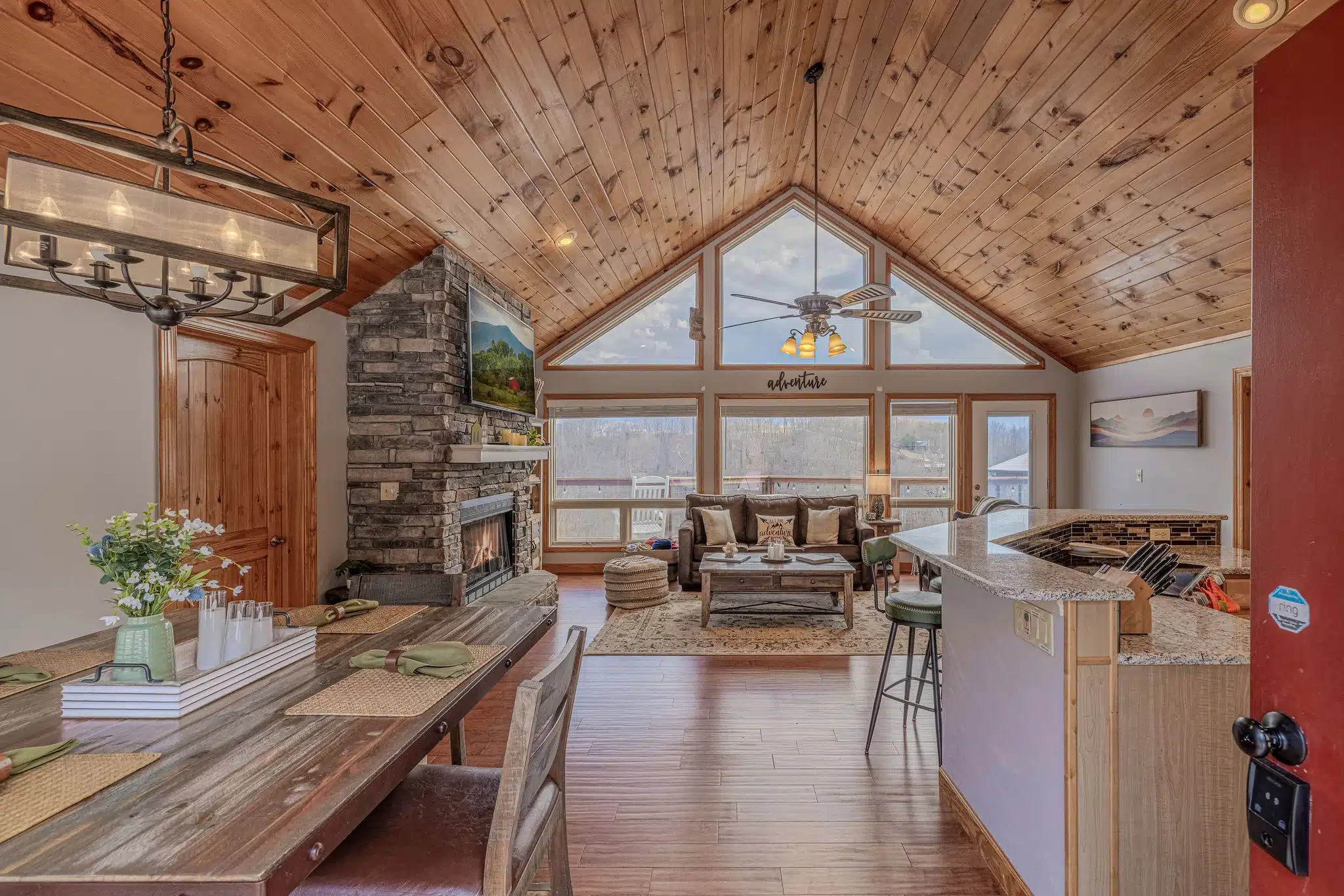
Which Overlooks and Bridges Are Worth Skipping in Gatlinburg?
The Gatlinburg SkyBridge is North America’s longest pedestrian cable bridge and includes 30 feet of glass panels in the center span, but it’s genuinely one of the most heavily marketed attractions in town, not a hidden gem by any honest definition. It belongs on this list only as a contrast point: the parking near Gatlinburg SkyPark’s SkyBridge attraction page is expensive and consistently crowded, situated right in the busiest stretch of downtown.
If you want views without the ticket line, drive the Roaring Fork Motor Nature Trail instead, a slow, one-way loop through the national park that starts just minutes from downtown and passes historic homesteads and roadside cascades with none of SkyPark’s admission fee. As a result, you get comparable mountain scenery at no cost and considerably less foot traffic.
For sunrise photography, skip the crowded overlooks entirely and head toward Newfound Gap Road before 7am, when the light hits the ridgelines and the parking lots are still empty. Reese Moore Photography, a Gatlinburg-based photographer, has documented many of these lesser-known vantage points if you want reference shots before choosing your own spot.
What Waterfalls Near Gatlinburg Do Tourists Usually Miss?
Grotto Falls stands out among Smoky Mountains waterfalls because it’s the only trail in the entire park where you can walk directly behind the falling water, and at 2.6 miles round trip it’s manageable for most families with kids over five. The trailhead sits along the Trillium Gap Trail off Roaring Fork Motor Nature Trail, roughly a 15-minute drive from most Chalet Village cabins.
Rainbow Falls, by contrast, is a longer and more strenuous 5.4-mile round trip with a steady elevation gain, best saved for hikers who want a workout and a payoff: on sunny mornings, mist off the 80-foot falls catches the light and produces a visible rainbow, hence the name. Ramsey Cascades is the toughest of the three at just over 8 miles round trip, ending at the tallest waterfall in the park, and it should be treated as a full-day hike, not an afternoon add-on.
All three trailheads sit inside Great Smoky Mountains National Park with no entrance fee required, though parking fills by mid-morning on weekends, especially at Grotto Falls’ small lot. Arrive before 9am if you’re hiking on a Saturday in June, July, or October. For a deeper breakdown of distances and difficulty across the region, see our guide to waterfalls near Gatlinburg worth the drive.
What Practical Details Do Most Gatlinburg Guides Leave Out?
Practical logistics separate a frustrating hidden-gem trip from a smooth one, and most Gatlinburg guides skip these details entirely. First, parking at Elkmont, Grotto Falls, and Roaring Fork is free but limited, so arriving before 9am on weekends and holidays isn’t optional if you want a spot within a reasonable walk of the trailhead.
Second, cell service drops out almost entirely inside the park past the first mile of most trails, including the approach to LeConte Lodge, so download offline maps before you leave your cabin’s WiFi. Third, the Chalet Village pools that many area cabins advertise, including the three pools available to guests at Summit View Lodge, run seasonally from Memorial Day through Labor Day only; if you’re visiting in the shoulder season for quieter trails, don’t plan your itinerary around pool access.
Fourth, winter visits to these hidden gems require different prep: mountain roads leading to Elkmont and the Arts & Crafts loop can ice over, and AWD or 4WD is genuinely useful for reaching higher-elevation cabins. Finally, most of these spots (Elkmont, Roaring Fork, the Arts & Crafts loop, Rachael’s Labyrinth) are free, while only LeConte Lodge and The Greenbrier require advance payment or reservations, which is worth knowing before you build a day-by-day budget.
How Should You Plan a Full Day Around These Hidden Gems?
A well-paced hidden gems day in Gatlinburg means picking one physically demanding activity and one low-key stop rather than stacking three big hikes back to back. For example, pair a morning at Grotto Falls with an afternoon walking the Arts & Crafts loop, since the hike wakes you up and the studio visits let your legs recover while you’re still outdoors.
If you’re staying above town at a Chalet Village cabin like Summit View Lodge, you’re roughly 3 miles from downtown and 4 miles from the national park entrance, which keeps drive times short between stops. Start early at Roaring Fork before traffic builds, grab lunch on the way back through town, then spend the evening at Rachael’s Labyrinth for sunset instead of fighting parkway crowds for dinner reservations.
Multi-generational groups should lean toward Elkmont and the Arts & Crafts loop, both flat, easy walks with no elevation gain, while skipping Ramsey Cascades entirely. Families with younger kids do best with Grotto Falls’ shorter mileage and the walk-behind-the-waterfall payoff, which tends to hold a five-year-old’s attention far better than a scenic overlook. For a structured itinerary that strings several of these together across a longer stay, our 3 day Gatlinburg itinerary for 2026 lays out a day-by-day plan.
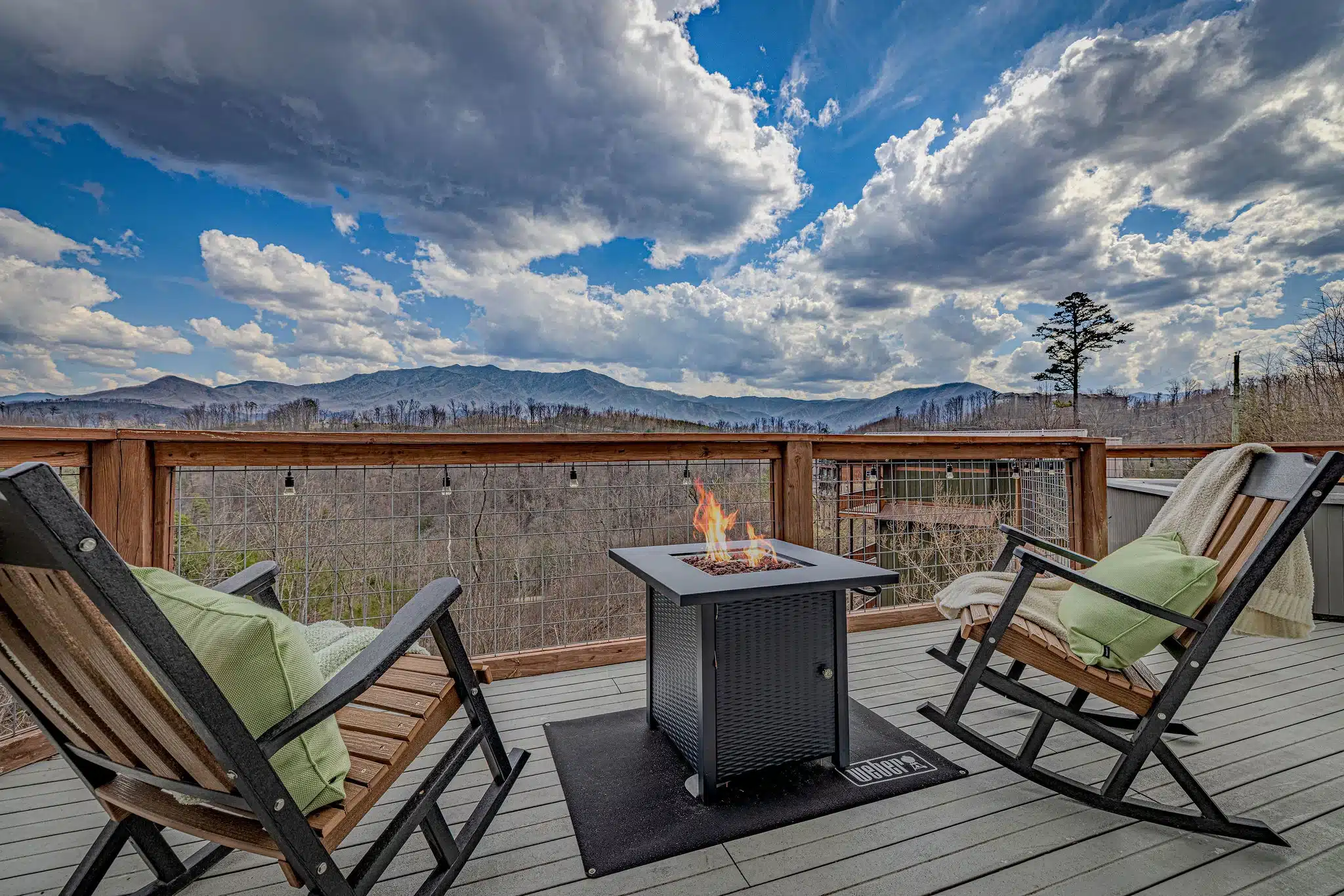
Where Should You Stay to Reach These Hidden Gems Easily?
Chalet Village North is the neighborhood where staying above downtown actually pays off logistically, since it splits the difference between quick access to Elkmont, Roaring Fork, and the Arts & Crafts loop while still being close enough to Ober Gatlinburg and downtown restaurants for evening plans. Cedar-shingled cabins line winding, paved mountain roads here, a different feel from the flatter, denser cabin developments closer to the Pigeon Forge line.
Summit View Lodge sits in this exact neighborhood, 3 miles from downtown Gatlinburg and 4 miles from the national park entrance, with a 180-degree view of Mt. LeConte from nearly every window. The cabin sleeps up to 5 guests across two king ensuite bedrooms plus a sleeper sofa, and it’s a single-level layout with no interior stairs, worth noting if you’re traveling with grandparents or young kids after a day exploring Elkmont’s flat, easy loop.
After a morning at Grotto Falls or an afternoon at the Arts & Crafts studios, the private hot tub and fire pit on the deck at this cabin with a 180-degree Mt. LeConte view make for an easy wind-down, no drive required. Guests also get seasonal access to three Chalet Village pools between May and September, plus a barrel arcade game and 55-inch HDTV for evenings when everyone’s had enough of the outdoors. If you’re weighing whether the location and amenities justify the drive up from downtown, our honest review of Summit View Lodge breaks down what guests actually experience.
Other Gatlinburg-area cabin companies, including CabinsForYou, manage larger portfolios across Chalet Village and beyond; the CabinsForYou listing page is a useful cross-reference for cabin size and distance comparisons in the neighborhood. Compared to a large multi-property management company, a single-cabin, owner-involved model like this one lets us track guest feedback closely and keep the details, mattress quality, water pressure, WiFi speed, consistent stay over stay.
Frequently Asked Questions
What are the best hidden gems in Gatlinburg for a first-time visitor?
Start with the Great Smoky Arts & Crafts Community for an easy, free morning, then add Grotto Falls for an afternoon hike since it’s short enough for most fitness levels at 2.6 miles round trip. Save Elkmont Ghost Town for a quiet, overcast day, and treat LeConte Lodge as a separate, advance-planned overnight trip rather than a day-trip add-on.
Are Gatlinburg’s hidden gems free to visit?
Most of them are. Elkmont Ghost Town, the Arts & Crafts loop, Roaring Fork Motor Nature Trail, and Rachael’s Labyrinth at the Buckhorn Inn all require no admission fee. The Greenbrier Restaurant and Buckhorn Inn’s fixed dinner menu are paid experiences, and LeConte Lodge requires an advance reservation and lodging fee.
How far are these hidden gems from downtown Gatlinburg?
Most sit within a 10 to 20 minute drive of downtown. The Arts & Crafts Community and Buckhorn Inn are roughly 15 minutes east, Elkmont and Roaring Fork sit inside or near the national park entrance about 5 minutes from downtown, and Grotto Falls is around a 15-minute drive along Roaring Fork Motor Nature Trail.
Is LeConte Lodge worth the hike?
For hikers who want a genuinely rustic overnight experience, yes. The lodge sits at 6,360 feet with no road access, requiring a 5 to 8 mile hike depending on the trail, and reservations sell out well in advance each year. It’s not a casual add-on; treat it as its own dedicated trip.
When is the best time to visit these hidden gems to avoid crowds?
Weekday mornings before 9am consistently beat weekends across every site on this list, from Grotto Falls’ trailhead parking to the Arts & Crafts studios. October brings the highest visitation to the region overall, so if solitude matters more than fall color, aim for a weekday visit in September or November instead.
Do you need a car to reach Gatlinburg’s hidden gems?
Yes. Unlike downtown Gatlinburg, which has a trolley system, these sites (Elkmont, the Arts & Crafts loop, Grotto Falls, Rachael’s Labyrinth) are spread across the surrounding hills and national park and require your own vehicle. Winter visitors should confirm their cabin’s road access allows for AWD or 4WD if snow is in the forecast.
Are these hidden gems suitable for families with young kids?
Elkmont Ghost Town, the Arts & Crafts loop, and Grotto Falls all work well for families, since they involve flat or short walks under 3 miles. Ramsey Cascades and the LeConte Lodge hike are better suited to older kids and adults comfortable with a full day of strenuous walking.
Conclusion: Skip the Parkway, Find the Real Gatlinburg
The genuine hidden gems Gatlinburg has to offer sit within a short drive of downtown but require you to intentionally choose a trailhead, a labyrinth, or a studio loop over another photo stop at SkyBridge. Between Elkmont’s preserved cottages, the Arts & Crafts Community’s 96-plus working artists, and Grotto Falls’ walk-behind-the-waterfall trail, you can build a full day, or a full trip, without setting foot on the main parkway.
As Gatlinburg’s visitor numbers keep climbing toward the National Park Service’s reported 12.2 million annual park visitors, these quieter alternatives will only become more valuable to travelers who want the mountains without the crowds. Plan around weekday mornings, book LeConte Lodge and Buckhorn Inn dinners well ahead, and use a cabin above town as your staging point rather than a downtown hotel in the thick of it.
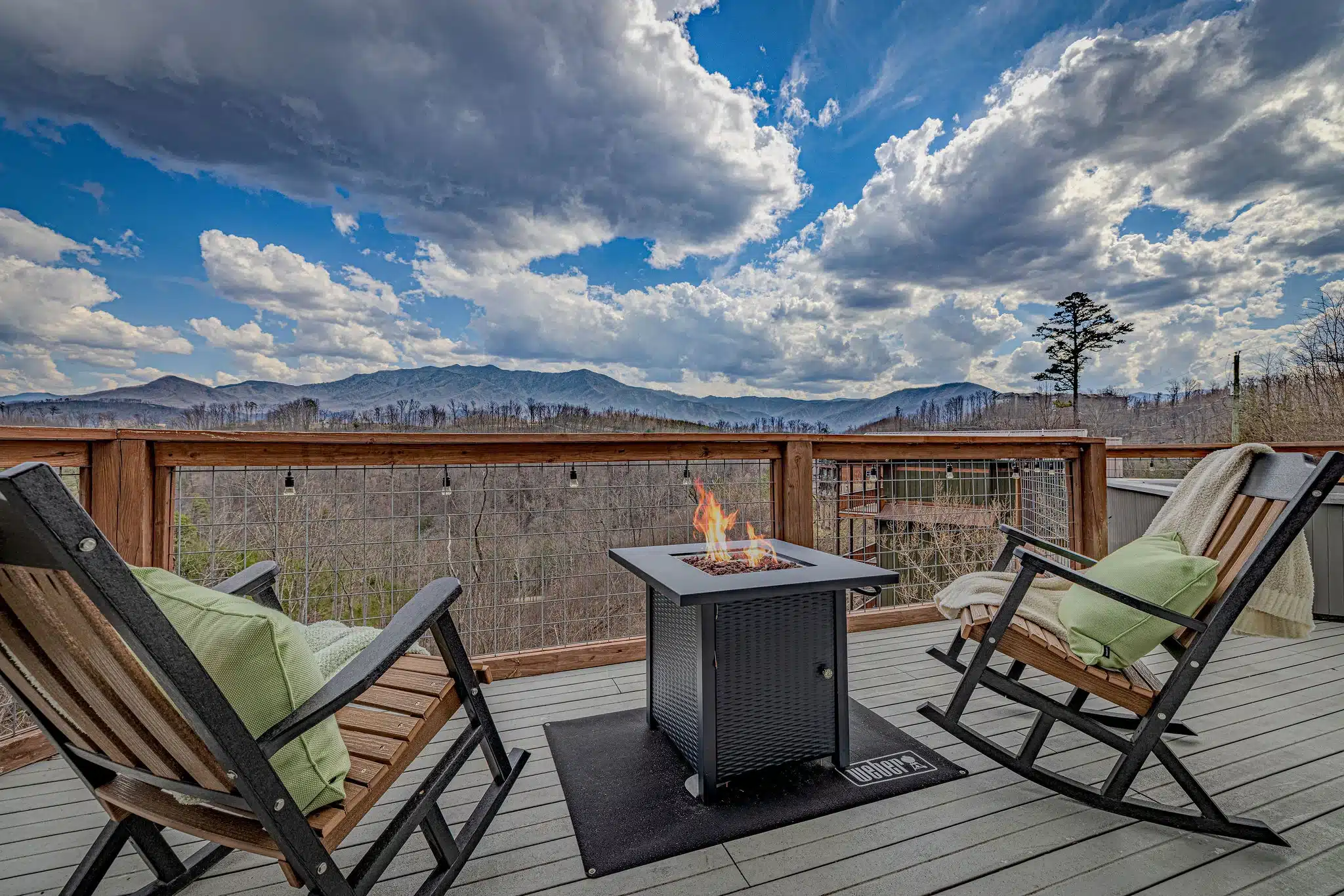
If your version of a Gatlinburg trip leans toward quiet trailheads and artisan studios over arcade lights, Summit View Lodge puts you 4 miles from the national park entrance with a 180-degree Mt. LeConte view waiting on the deck when you get back. Check availability here.