
Gatlinburg is worth visiting for most travelers, particularly those who want direct access to Great Smoky Mountains National Park combined with walkable dining and mountain views, but it depends heavily on timing. Visit during peak summer weekends downtown and you’ll question every review you read. Visit on a Tuesday in April, or stay somewhere quiet like Chalet Village above the parkway, and the town makes a lot more sense.
Key Takeaways
- Gatlinburg sits at the entrance to Great Smoky Mountains National Park, which drew 11.5 million visitors in 2026, and roughly 62% of park visitors also stopped in Gatlinburg, according to National Park Service data.
- The town works best for travelers who separate “where I stay” from “where the crowds are.” Staying in Chalet Village North rather than downtown cuts out most of the traffic frustration.
- StaySTRA market data shows Gatlinburg short-term rentals average 62.1% occupancy with a $282 average daily rate on a trailing 12-month basis, with July hitting 80.7% occupancy and October fall foliage close behind at 77.4%.
- April through October is generally the best window, though July and October are also the most crowded, so shoulder weeks (early June, mid-September) offer a better balance of open trails and open parking.
- Most first-time visitors need 3 to 4 days to see downtown Gatlinburg, hike at least one trail, and take a day trip to Pigeon Forge or Dollywood without feeling rushed.
- Sevier County tourism, which includes Gatlinburg, Pigeon Forge, and Sevierville, generated over $3 billion in visitor spending in 2023 and supported more than 30,000 local jobs as of late 2026.
I’ve hosted travelers above Gatlinburg for years now, and the question “is Gatlinburg worth visiting” comes up in some form almost every week, usually from someone who has read three conflicting blog posts and still isn’t sure. One calls it a tourist trap. Another calls it magical. Both are describing the same nine-block downtown strip, just on different days of the week.
The honest answer requires separating three things that get lumped together: the town of Gatlinburg itself, the national park it sits next to, and the lodging decision that determines whether your trip feels relaxed or chaotic. As of 2026, Gatlinburg is busier than it was a decade ago, but it’s also more comfortable to visit if you plan around its predictable pressure points rather than pretending they don’t exist.
This guide covers what Gatlinburg actually does well, where it falls short, how it compares to neighboring Pigeon Forge, and the specific logistics (parking, traffic, timing) that most generic travel guides skip entirely. I run Summit View Lodge, a cabin in Chalet Village North, so I’ll also be direct about where staying above town versus in the middle of it changes the entire experience.
What’s So Special About Gatlinburg?
Gatlinburg’s main draw is its position as the primary gateway town to Great Smoky Mountains National Park, combined with a walkable downtown that packs restaurants, shops, and attractions into a compact strip along the Little Pigeon River. Few towns in the eastern United States offer this specific combination: national park access on foot from your hotel, plus arcade-and-taffy tourist energy a few blocks over.
The park entrance sits about four miles from downtown, meaning you can eat breakfast in town and be on a trailhead within fifteen minutes. That proximity is genuinely rare. Compare it to gateway towns near other major parks, where the nearest lodging often means a 30 to 45 minute drive before you reach a trail. Gatlinburg compresses that distance dramatically.
Beyond the park, Gatlinburg has built out its own attraction ecosystem: the Gatlinburg SkyLift Park and SkyBridge, Ripley’s Aquarium of the Smokies, and a downtown arts and crafts community along the Great Smoky Arts & Crafts Community loop that’s genuinely worth a slow afternoon if you like pottery, woodworking, or glassblowing demonstrations. The town’s architecture leans heavily into an Alpine-village aesthetic, chalet rooflines and timber facades, which is either charming or a bit theme-park depending on your taste.
What sets Gatlinburg apart from Pigeon Forge, its larger neighbor ten miles north, is scale and proximity. Gatlinburg is denser, older, and closer to the mountains. Pigeon Forge is spread out along a highway corridor and built around bigger single attractions like Dollywood and Dolly Parton’s Stampede.
Is Gatlinburg Nicer Than Pigeon Forge?
Gatlinburg and Pigeon Forge serve different trip styles rather than one being objectively nicer than the other. Gatlinburg offers walkability, mountain scenery, and direct national park access within a compact downtown. Pigeon Forge offers larger single-destination attractions, more chain dining, and generally lower-density traffic once you’re off the Parkway.
If your trip centers on hiking, wildlife viewing, or waterfall chasing, Gatlinburg wins because you’re minutes from the park boundary. If your trip centers on Dollywood, go-kart tracks, or dinner shows, Pigeon Forge makes more sense as a home base, and its lodging is often less expensive per night than comparable Gatlinburg cabins during peak season.
Many visitors, myself included when I plan trips for guests, treat this as a false choice. Gatlinburg sits about ten miles from Pigeon Forge and roughly twelve miles from Dollywood, both a straightforward 20 to 30 minute drive depending on Parkway traffic. Staying in Gatlinburg’s Chalet Village neighborhood still puts Dollywood within reach for a single day trip without needing to switch hotels.
The trade-off is architectural character. Gatlinburg’s downtown, with its arts and crafts community and mountain backdrop, has more visual charm than Pigeon Forge’s highway strip. But Pigeon Forge has more elbow room, wider parking lots, and less pedestrian congestion in peak months. Neither town is “wrong.” Our guide to the best day trips from Gatlinburg breaks down how to fit both into one itinerary without wasting a day on the road.
What Are the Four Worst Times to Visit Gatlinburg?
The four worst windows to visit Gatlinburg are the week around July 4th, the peak two weeks of October fall foliage, the week between Christmas and New Year’s, and any Saturday in June or July without a reservation strategy. Each period brings a specific type of congestion that catches first-time visitors off guard.
July 4th week combines summer vacation crowds with fireworks-viewing traffic downtown, and StaySTRA data shows July already runs at 80.7% occupancy for area short-term rentals, the highest of any month. Add a holiday and parking downtown becomes genuinely difficult after 10 a.m.
October’s peak foliage weeks, typically mid-to-late October, bring similarly tight conditions, with October occupancy at 77.4% according to the same trailing data. The difference is that fall crowds are spread across a longer window since leaf color moves gradually down the mountain, so booking a week earlier or later than the absolute peak often means a noticeably calmer trip with nearly identical scenery.
Late December draws visitors chasing Gatlinburg’s Winter Magic lights display, and single-lane mountain roads combined with holiday traffic make short drives take much longer than the mileage suggests. And any summer Saturday without a dinner reservation or a plan for parking will eat two or three hours of your day in lines.
A national tourism analysis puts Gatlinburg’s chance of being overrun by visitors during the 2026 summer season at roughly 61%, with tourists outnumbering residents by about 1,510 to 1 at peak. That’s not a reason to skip summer entirely, it’s a reason to build your day around early starts and late dinners rather than midday downtown wandering.
How Many Days Is Enough for Gatlinburg?
Three to four days is enough time to see downtown Gatlinburg properly, hike at least one Smoky Mountains trail, and take a day trip to Pigeon Forge or Dollywood without rushing. A shorter two-day weekend works if you pick one or two priorities and skip the rest rather than trying to cram everything in.
Day one typically covers arrival, settling into your cabin, and an easy evening downtown for dinner and the arts and crafts loop. Day two is best spent in the national park itself, hiking a trail like Laurel Falls or Grotto Falls before the afternoon crowds arrive at trailheads. Day three can flex toward Pigeon Forge or Dollywood, or toward a slower morning followed by shopping and the SkyBridge. A fourth day gives room for a rained-out backup plan or a second, longer hike.
Notably, Gatlinburg’s average length of stay has climbed from 2.8 to 3.2 nights over the past 24 months, per Sevier County tourism data, suggesting visitors are increasingly building in that extra buffer day rather than treating Gatlinburg as a one-night stop between other destinations.
For a full breakdown by day, our 3-day Gatlinburg itinerary for 2026 maps out timing for trails, meals, and traffic-avoidance more specifically than a generic day-by-day list can. If you’re working with a tighter window, the weekend getaway ideas guide shows how to compress the highlights into two days without feeling like you missed the point of the trip.
Where Is Chalet Village in Gatlinburg, and Should You Stay There?
Chalet Village is a residential cabin community on the mountainside directly above downtown Gatlinburg, split into North and South sections, reached by a series of winding paved roads off Ski Mountain Road. It sits close enough to walk to town on a good day but far enough up the ridge that most cabins get real quiet and real views, two things downtown hotel rooms rarely offer.
Staying in Chalet Village solves the single biggest complaint in negative Gatlinburg reviews: traffic and noise. Downtown lodging puts you in the middle of Parkway congestion every time you want to leave. A Chalet Village cabin lets you decide when to deal with traffic instead of living inside it.
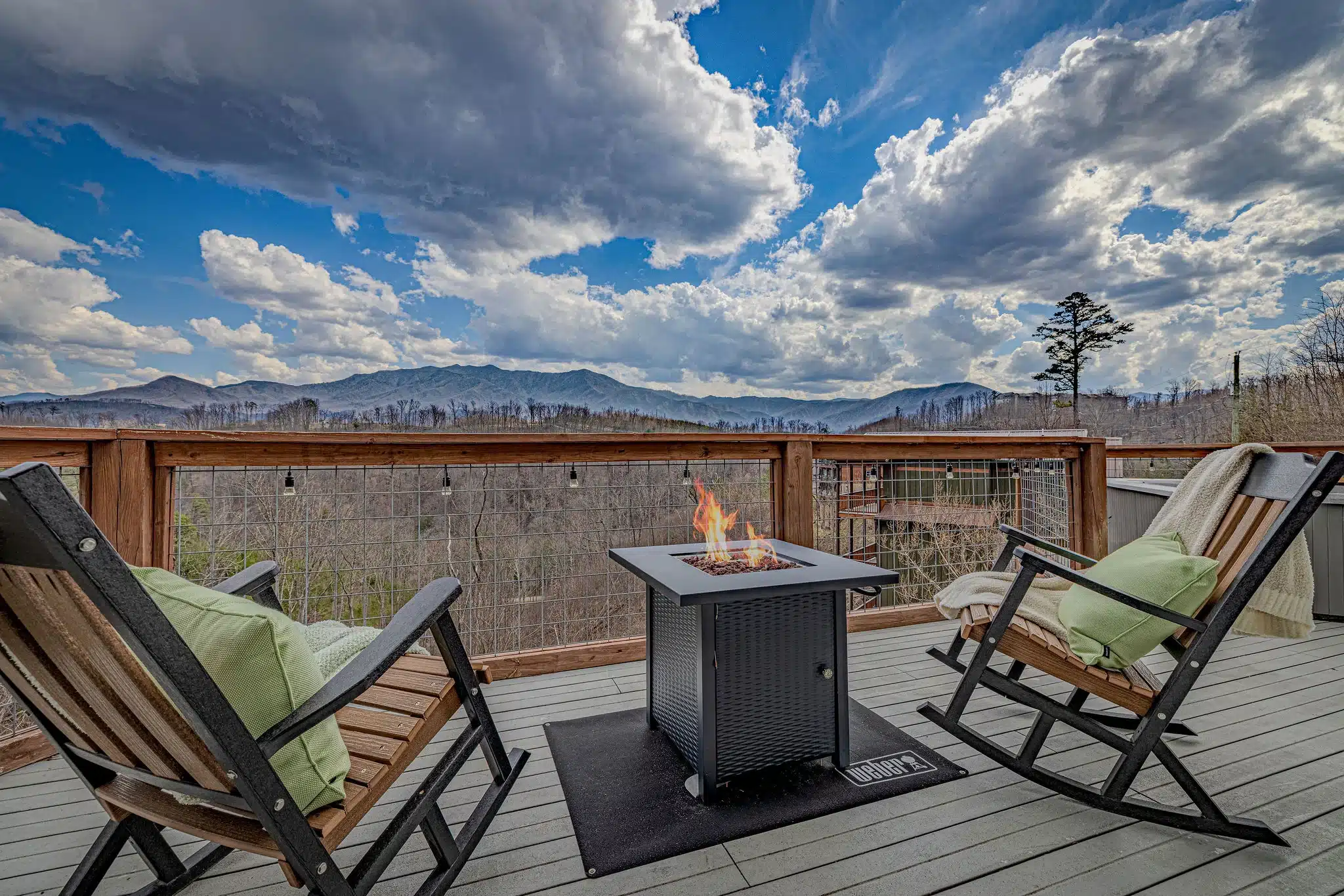
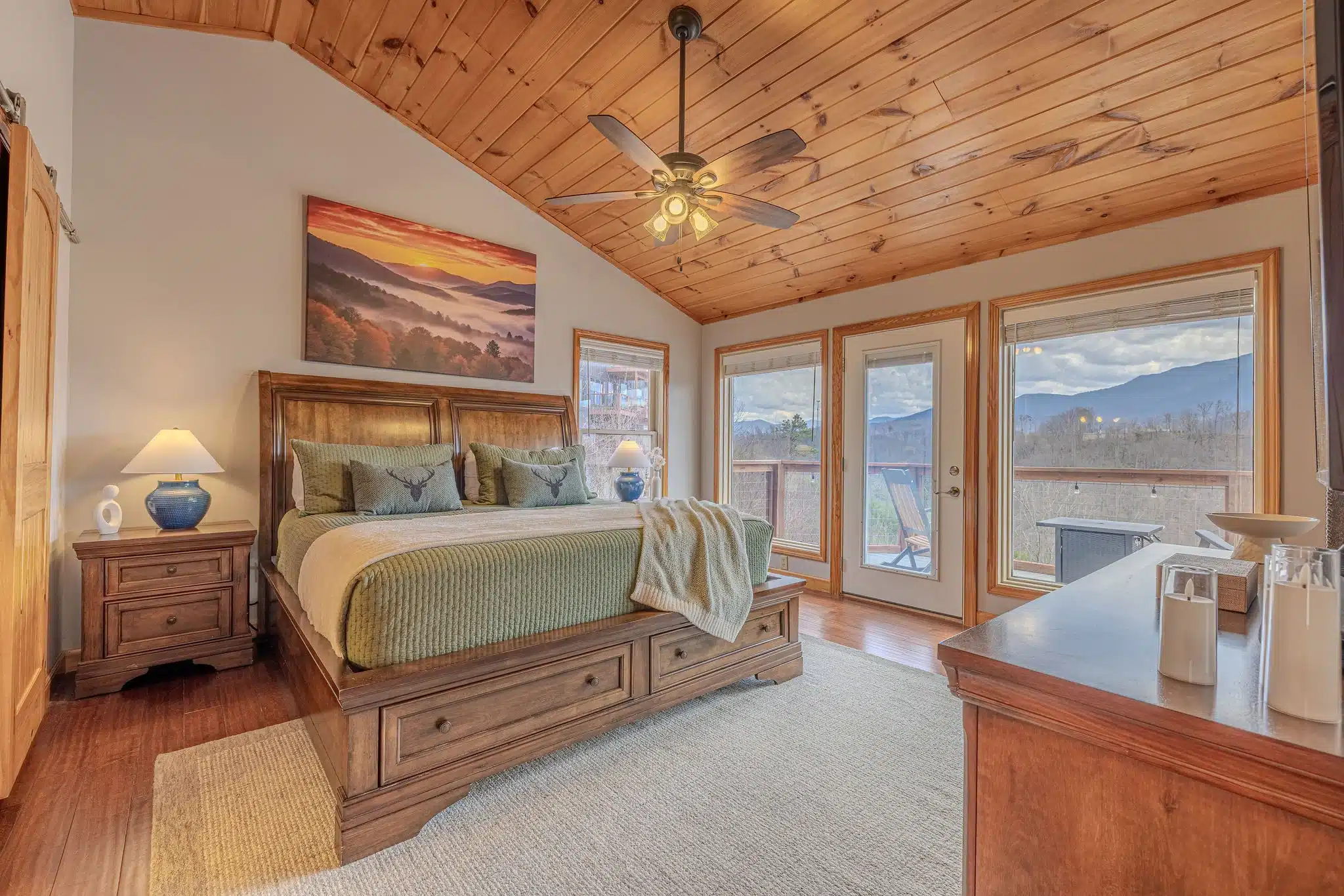
Summit View Lodge sits in Chalet Village North, three miles from downtown Gatlinburg and four miles from the national park entrance, close enough that a morning hike doesn’t eat your whole day. The cabin sleeps five across two king ensuite bedrooms plus a sleeper sofa, with floor-to-ceiling windows pulling in a wide view of Mt. LeConte from the living room, both bedrooms, and the deck. It’s a single-level layout with no interior stairs, which matters more than people expect when traveling with grandparents or toddlers.
The private hot tub and fire pit sit on the view deck, so evenings after a hiking day become the reward rather than an afterthought, and the barrel arcade game in the second bedroom gives kids (or adults) something to do besides scroll their phones. Guests also get seasonal access to three Chalet Village community pools, tennis courts, and clubhouses, typically open Memorial Day through Labor Day.
One honest caveat: winter roads in Chalet Village require attention. The paved mountain roads are easier than most cabin communities, but AWD or 4WD is genuinely recommended after snow. It’s a minor trade-off for the privacy and view you get the other nine months of the year.
Where Should You Stay for a Quiet Retreat Away From the Crowds?
The quietest Gatlinburg lodging sits in the elevated cabin communities like Chalet Village, Ski Mountain, or Bluff Mountain, all a short drive above the Parkway rather than directly on it. These neighborhoods trade a five-to-ten-minute drive into town for genuine privacy, tree cover, and views that downtown hotels simply cannot offer.
If quiet matters more to you than being able to walk to dinner, this trade is worth making. A cabin like Summit View Lodge, positioned above the noise but still only three miles from downtown, lets you have both: a peaceful evening on the deck and a fifteen-minute drive to a restaurant when you want one.
Downtown hotels and cabins directly on the Parkway put you closer to nightlife and shopping, but you’ll hear traffic, and summer weekend noise runs later than most travelers expect. If a downtown base still appeals to you, our guide to Gatlinburg nightlife where locals actually go covers which spots are worth the noise and which aren’t.
For travelers specifically hunting for seclusion, our quiet cabin away from crowds guide goes deeper on which specific roads and elevations deliver the most privacy without adding excessive drive time.
What Should You Skip in Gatlinburg?
Gatlinburg is worth visiting, but not every attraction inside it earns the drive. A handful of downtown stops rely more on marketing than substance, and skipping them frees up real time for hiking or the arts and crafts community instead.
Several downtown wax museums and haunted house attractions cater almost entirely to first-time visitors and rarely earn repeat trips from families who’ve already done one. They’re fine as a rainy-day filler, but not worth prioritizing over trail time.
Parking downtown on a Saturday between June and August is consistently frustrating; expect to circle for fifteen to twenty minutes or pay for a lot rather than count on street parking. The Gatlinburg City Government website publishes current parking and trolley information, worth checking before you go if you’re staying somewhere that requires a drive into town.
On the other end, don’t skip the actual national park. Some visitors spend an entire trip downtown and never cross into Great Smoky Mountains National Park itself, which misses the entire reason Gatlinburg exists as a destination in the first place. Our best hikes near Gatlinburg guide ranks trails by difficulty so you can pick one that matches your group’s fitness level rather than guessing.
How Has Gatlinburg Changed in the Last 5 to 10 Years?
Gatlinburg has grown noticeably busier and more built-up over the past decade, with new attractions like the SkyBridge, expanded dining options, and rising short-term rental supply changing both the crowd levels and the lodging landscape. Overnight stays rose 3.4% year-over-year in the first quarter of 2026 alone, per Gatlinburg Planning Commission data, part of a longer growth trend.
Short-term rentals now equal roughly 107.7% of the town’s local housing supply, meaning there are technically more vacation rental listings than occupied homes in the area, a shift that’s reshaped which neighborhoods feel residential versus tourist-driven.
The upside of that growth is real: newer attractions, more restaurant variety, and improved infrastructure like the SkyBridge and updated trolley routes. The downside is more competition for parking and trail access during peak weeks. Rental supply growth has slowed to roughly 1% year-over-year across the Gatlinburg-Pigeon Forge-Sevierville corridor after 8% growth the prior year, which is starting to stabilize pricing and occupancy rather than adding constant new pressure.
For travelers who visited a decade ago and are considering a return trip in 2026, expect a busier downtown but also more polished infrastructure and a wider range of dining and lodging quality than existed then.
How Do You Enjoy Gatlinburg While Avoiding the Crowds?
Avoiding Gatlinburg’s crowds comes down to three levers: timing your visit outside peak weeks, starting your day earlier than most tourists, and choosing lodging outside the immediate downtown congestion zone. None of these require skipping the town’s main attractions, just shifting when and where you experience them.
First, target shoulder season: late April through early June, or September into early October before peak foliage. These windows offer comfortable weather with meaningfully lighter crowds than July or peak October.
Second, hit popular trailheads and downtown attractions before 9 a.m. Trails like Laurel Falls fill their trailhead parking lot by mid-morning on summer weekends, and downtown shops feel calmer before the day-trip crowds from Knoxville arrive. Save afternoon hours for the arts and crafts community, which tends to stay pleasant even when the Parkway is jammed.
Third, staying above town rather than on the Parkway changes your daily rhythm entirely. From a cabin in Chalet Village, you choose when to enter the congestion rather than living inside it around the clock. For rainy days when outdoor plans fall through, our rainy day activities guide covers options that skip the standard arcade fallback, and the best restaurants in Gatlinburg for groups guide helps you avoid the worst dinner wait times.
What Do Gatlinburg Cabin Rentals Actually Cost?
Gatlinburg short-term rentals average a $282 nightly rate on a trailing 12-month basis with 62.1% occupancy, according to StaySTRA market data, though pricing swings significantly by season, size, and neighborhood. Peak months like July push both occupancy and nightly revenue higher, with area rentals averaging $6,618 in monthly revenue that month compared to a $4,685 trailing average.
| Season | Typical Occupancy | What to Expect |
|---|---|---|
| July (peak summer) | 80.7% | Highest demand, book 2-3 months out |
| October (fall foliage) | 77.4% | Second-highest demand, especially mid-to-late month |
| April-June (shoulder) | Moderate | Good weather, lighter crowds, easier booking |
| January-February (winter) | Lowest | Best rates, but check road conditions for cabins on elevation |
These figures reflect the broader Gatlinburg market rather than any single property, but they explain why booking three to four weeks ahead for summer or fall foliage travel makes a real difference in both price and availability. Winter offers the softest rates of the year, though anyone booking an elevated cabin should factor in the AWD/4WD recommendation mentioned earlier for snow-covered mountain roads.
Practical Guidance: How to Actually Plan a Gatlinburg Trip
Planning a Gatlinburg trip well means sequencing your decisions in the right order: pick your season first, then your lodging location, then your daily itinerary. Getting this order backward, picking a hotel before checking what week you’re traveling, is the most common mistake first-time visitors make.
- Choose your season based on priority. Hikers should target April through June or September into early October. Leaf-peepers should book mid-October a week or two before the absolute peak to dodge the worst crowds.
- Decide between downtown and elevated lodging. Downtown suits travelers who want zero driving and don’t mind noise. Chalet Village and similar elevated communities suit travelers who want quiet evenings and don’t mind a short drive.
- Book 6-8 weeks ahead for summer or fall foliage. Both are the highest-occupancy months in the StaySTRA data, and cabins with private hot tubs or mountain views book out first.
- Build your itinerary around trail and parking timing. Plan hikes and downtown outings for before 9 a.m. or after 4 p.m. during peak months.
- Confirm your vehicle’s winter readiness if visiting an elevated cabin community between December and February.
- Check official sources before you go. The Gatlinburg Convention and Visitors Bureau and the National Park Service’s Great Smoky Mountains site post current alerts, road closures, and event calendars.
A common mistake: assuming Gatlinburg and Pigeon Forge lodging are interchangeable. They’re ten miles apart, but if your priority is early trail access, a Gatlinburg base saves real time every single morning compared to commuting in from Pigeon Forge.
Frequently Asked Questions
Is Gatlinburg worth visiting?
Yes, for most travelers Gatlinburg is worth visiting because of its direct access to Great Smoky Mountains National Park, which drew 11.5 million visitors in 2026, combined with a walkable downtown of dining and shopping. The experience improves significantly if you avoid peak summer weekends and choose lodging away from downtown congestion.
Is 3 days in Gatlinburg worth it? What’s a good 3-day itinerary?
Three days is a solid amount of time for a first Gatlinburg trip. Day one: arrive, settle in, explore downtown and the arts and crafts community. Day two: hike a Smoky Mountains trail like Laurel Falls or Grotto Falls, starting early to beat trailhead crowds. Day three: day trip to Pigeon Forge or Dollywood, or a slower morning followed by shopping and the SkyBridge.
What is there to do in Gatlinburg, Tennessee?
Gatlinburg offers hiking trails inside Great Smoky Mountains National Park, the arts and crafts community loop for pottery and woodworking demonstrations, the SkyLift Park and SkyBridge, Ripley’s Aquarium of the Smokies, and a walkable downtown with dining and shopping. Nearby Pigeon Forge, about ten miles away, adds Dollywood and Dolly Parton’s Stampede as day trip options.
Where is Chalet Village in Gatlinburg?
Chalet Village is a cabin community on the mountainside above downtown Gatlinburg, accessed via Ski Mountain Road, split into North and South sections. It’s a common choice for travelers who want mountain views and quiet evenings while staying just a few miles from downtown restaurants and shops.
Where should I stay in Gatlinburg for a quiet retreat away from the crowds?
Elevated cabin communities like Chalet Village North offer the best balance of quiet and convenience, typically three to five miles from downtown. A cabin such as Summit View Lodge, three miles from downtown Gatlinburg with a private hot tub and mountain-facing deck, lets you skip Parkway noise while staying close enough for an easy drive into town.
Where should I stay in Gatlinburg, TN overall?
Choose downtown or Parkway-adjacent lodging if you want to walk everywhere and don’t mind traffic noise. Choose an elevated cabin community like Chalet Village if you prioritize views, privacy, and quieter evenings, accepting a short drive into town in exchange. Both options put you within four to five miles of the national park entrance.
What is the best time of year to visit Gatlinburg?
April through October generally offers the best weather for hiking and outdoor activities, though July and peak October foliage weeks bring the heaviest crowds, with occupancy reaching 80.7% and 77.4% respectively according to StaySTRA data. Shoulder periods like late April to early June or mid-September offer a better balance of good weather and manageable crowds.
Is Gatlinburg family-friendly?
Yes, Gatlinburg is generally family-friendly, with easy trails, arcade attractions, and cabins offering amenities like pack-and-play cribs and single-level layouts. Families traveling with young kids or grandparents often prefer elevated cabins with no interior stairs over multi-level downtown lodging for easier daily logistics.
Conclusion
Gatlinburg is worth visiting in 2026, but the honest version of that answer comes with conditions: pick your season carefully, decide whether you want to be in the middle of downtown or above it, and start your days earlier than the crowds. Roughly 62% of the 11.5 million people who visited Great Smoky Mountains National Park in 2026 also spent time in Gatlinburg, and that overlap is exactly why the town works, it delivers genuine mountain access without the isolation of a true backcountry gateway.
The version of Gatlinburg you get depends almost entirely on where you sleep and what week you show up. Get those two decisions right, and the rest of the trip tends to fall into place.
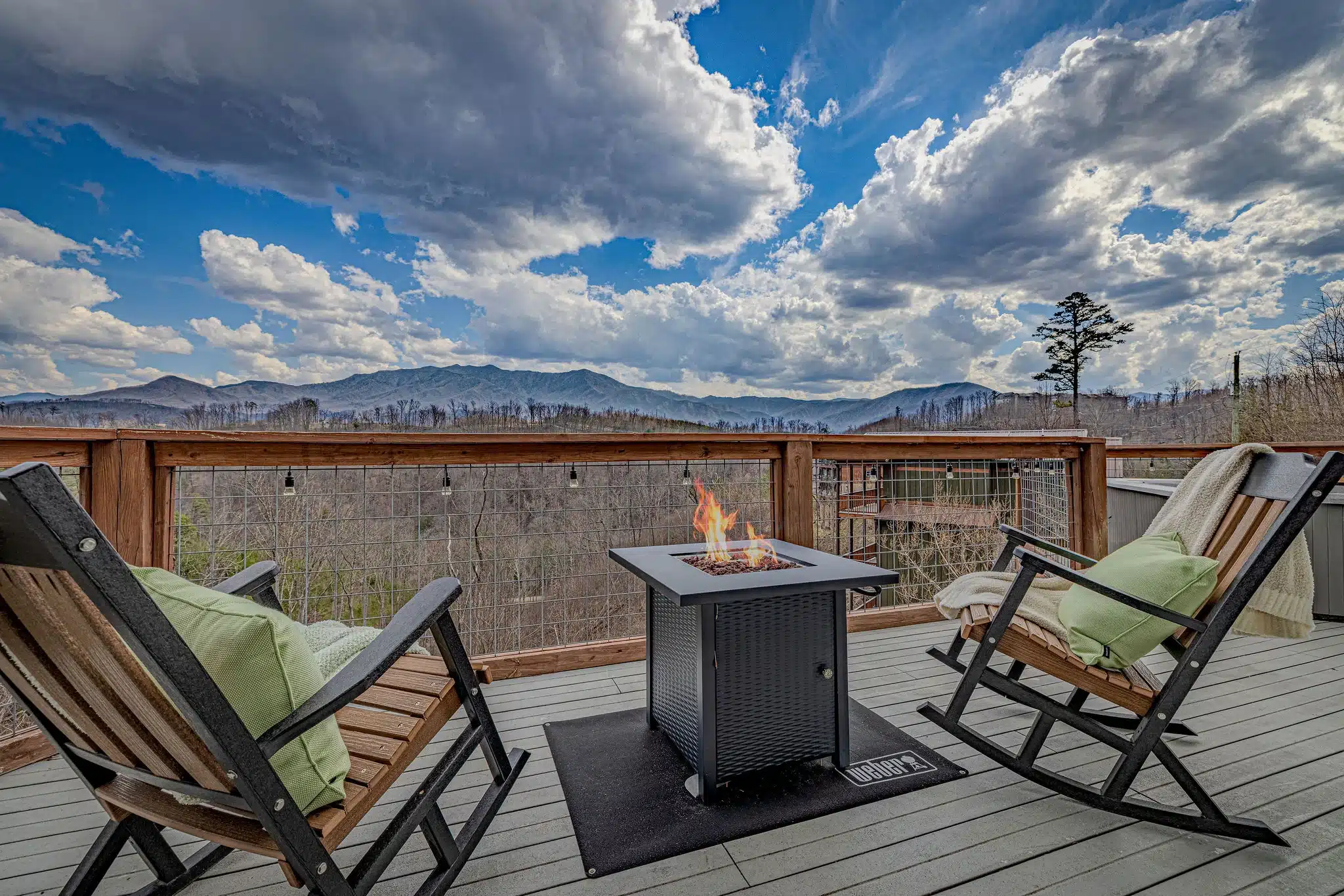
If you’re weighing whether Gatlinburg is worth visiting and want the quiet version of the answer, Summit View Lodge puts you three miles from downtown and four miles from the national park entrance, with a private hot tub and fire pit on a deck facing Mt. LeConte. Check availability here.