

The best attractions at Smoky Mountains destinations include Cades Cove, Clingmans Dome (called Kuwohi on current park maps), the Roaring Fork Motor Nature Trail, and Laurel Falls, all inside Great Smoky Mountains National Park, plus Gatlinburg-area draws like Ober Gatlinburg. Together they cover scenic drives, hikes, wildlife viewing, and family entertainment within a short drive of downtown Gatlinburg.
Key Takeaways
- Great Smoky Mountains National Park drew 11.5 million visitors in 2026, according to the National Park Service, making it the most-visited national park in the country.
- Cades Cove and Kuwohi (formerly known as Clingmans Dome) are consistently ranked the park’s most popular stops, with Kuwohi marking the highest point in the Smokies.
- About 62% of Great Smoky Mountains visitors also spend time in Gatlinburg, per a 2026 visitor experience survey, which means most trips combine park attractions with in-town stops like Ober Gatlinburg.
- Sevier County tourism generated $3.93 billion in visitor spending in 2026, reflecting how central the park and its gateway towns are to the regional economy.
- Gatlinburg itself sees roughly 12 million visitors annually against a resident population of 3,577, per the 2020 Census, so timing your visit to attractions matters as much as picking them.
- Summit View Lodge sits 3 miles from downtown Gatlinburg and 4 miles from the national park entrance, putting most major attractions within a 20 to 30 minute drive.
If you’re mapping out a trip to the Smokies in 2026, you’re probably staring at a dozen “top things to do” lists that all recommend the same five spots without telling you when to go, how long to budget, or what’s actually worth the drive. This guide organizes attractions by what they actually deliver: scenic drives, waterfall hikes, wildlife viewing, and the in-town entertainment that fills gaps between park visits.
We wrote this from Chalet Village North, a wooded neighborhood perched above Gatlinburg where we host Summit View Lodge. Fourteen years of staying in short-term rentals across the U.S. and Europe taught us that the difference between a good trip and a great one usually comes down to logistics: which entrance to use, what time to arrive, and which “attraction” is really just a parking lot with a gift shop.
Every recommendation below includes drive time from the Gatlinburg side of the park, since that’s the entrance most visitors use and the one closest to Chalet Village North. We’ll flag what’s genuinely worth your morning and what you can skip if you’re short on time.
What Are the Best Attractions Inside Great Smoky Mountains National Park?
The best attractions inside Great Smoky Mountains National Park are Cades Cove, Kuwohi (Clingmans Dome), the Roaring Fork Motor Nature Trail, and Laurel Falls, each accessible from the Gatlinburg or Townsend sides of the park. These four sites cover the park’s signature experiences: an 11-mile wildlife loop, the highest peak in the Smokies, a forested scenic drive, and an easy waterfall hike.
Cades Cove is an 11-mile one-way loop road through a former farming community, and it’s the single most requested stop in the park. Expect to see white-tailed deer grazing in open fields at dawn and dusk, plus preserved log cabins, churches, and a working gristmill along the route. Plan for 2 to 4 hours if you stop at pullouts, longer during peak leaf season in October when traffic backs up significantly.
Kuwohi, the park’s highest peak according to The Kid’s Guide to the Great Smoky Mountains, tops out well above 6,000 feet and rewards a steep half-mile paved walk to an observation tower with 360-degree views. Go early morning for the clearest visibility, since afternoon haze is common in summer. The access road typically closes in winter, so check current conditions before driving up from December through March.
Roaring Fork Motor Nature Trail is a narrow, one-way loop through old-growth forest just outside Gatlinburg, dotted with historic cabins and small waterfalls you can reach on short pull-off trails. It’s closed to trailers and RVs and typically closes for winter, so this is a spring-through-fall drive, ideally in the late afternoon when the light filters through the canopy.
What Is the Most Visited Place in the Smoky Mountains?
Cades Cove is widely considered the most visited single destination inside Great Smoky Mountains National Park, drawing heavy traffic year-round for its wildlife viewing and historic structures. Sugarlands Visitor Center, the main Gatlinburg-side entrance, sees the highest concentration of park visitors overall, since it’s the first stop for most people entering from Gatlinburg.
Cades Cove’s popularity comes down to reliability: you’re almost guaranteed to see deer, and there’s a real chance of spotting black bears, especially in spring and early summer when bears are actively foraging. The loop road includes the Cable Mill historic area, several original 19th-century cabins, and Cades Cove Riding Stables for those who want to see the valley from horseback rather than a car window.
The tradeoff is crowding. On weekends between June and October, the one-way loop can take upwards of 3 hours just from traffic, not counting stops. Arrive before 9am or after 4pm to avoid the worst of it, and consider a Wednesday morning visit if your schedule allows; midweek mornings are noticeably quieter than any weekend slot. Sugarland Stables and Cades Cove Campground Store and Bike Rental both operate near the loop entrance if you want an alternative pace through the valley.
What Is the Main Attraction of the Great Smoky Mountains?
The main attraction of the Great Smoky Mountains is the park’s dense concentration of old-growth forest, waterfalls, and biodiversity, protected across roughly 800 square miles straddling Tennessee and North Carolina. Great Smoky Mountains National Park welcomed 11.5 million visitors in 2026, per the National Park Service, more than any other national park in the country, largely because it’s free to enter and easy to reach from major Southeastern cities.
Unlike parks that charge a flat entrance fee, Great Smoky Mountains National Park remains free, though it does require paid parking tags, $5 for a day, $15 for a week, or $40 annually, at high-traffic lots between March and November. That fee structure changed the visitor experience at popular trailheads starting a few years back, and as of 2026 it’s still the system in place, so budget for it if you’re parking at Laurel Falls, Chimney Tops, or the Sugarlands area.
Beyond the landscape itself, the park’s draw is variety within a compact footprint. You can hike to a waterfall, drive a historic loop, and watch synchronous fireflies in late spring, all without leaving a 30-mile radius. For a broader sense of what’s within reach, our guide to the best hikes near Gatlinburg breaks trails down by difficulty and mileage.
What Are Some Unique Things to See in the Smoky Mountains?
Unique experiences in the Smoky Mountains include the synchronous firefly event at Elkmont, the historic structures at Cataloochee Valley, and Mingus Mill on the North Carolina side, none of which show up on generic top-10 lists as often as Cades Cove or Clingmans Dome. These sites reward visitors willing to drive a bit further or plan around a specific season.
Elkmont’s synchronous fireflies put on a natural light display for roughly two weeks in late May or early June, when a specific species flashes in unison across the forest floor. The National Park Service runs a lottery system for parking access during peak nights, so this isn’t a spontaneous outing; if you want to see it, you need to plan months ahead.
Cataloochee Valley, on the North Carolina side, is quieter than Cades Cove and holds a small elk herd along with preserved 19th-century homes and a schoolhouse. Mingus Mill, located at milepost 29.9 on the park road according to The Kid’s Guide to the Great Smoky Mountains, is a working gristmill powered by a wooden flume, and it’s usually far less crowded than the Cades Cove gristmill because most Gatlinburg-based visitors never make the drive over.
Closer to Gatlinburg, the historic Andy Huff lodge, built for loggers in 1916 according to ProQuest archives, reflects the same logging-era history that shaped much of the Smokies before the park existed. If that kind of regional backstory interests you, our best day trips from Gatlinburg guide covers a few of these lesser-driven routes in more depth.
Which Waterfalls and Hikes Should You Prioritize Near Gatlinburg?
Laurel Falls, Grotto Falls, and Rainbow Falls are the three waterfall hikes closest to Gatlinburg, ranging from an easy 2.6-mile round trip to a strenuous 5.4-mile climb. Laurel Falls is paved and manageable for most families, while Grotto Falls is the only trail in the park where you walk directly behind the waterfall, and Rainbow Falls demands real stamina and sturdy shoes.
Laurel Falls draws heavy crowds because it’s paved and relatively flat, but the pavement gets slick when wet, and the parking lot fills by mid-morning on weekends between May and October. Arrive before 8am or plan for a wait. Grotto Falls, reached via the Trillium Gap Trail off Roaring Fork, is 2.6 miles round trip with moderate footing and a genuinely memorable payoff: you pass through a rock overhang directly behind the falling water.
Rainbow Falls climbs roughly 1,500 feet over 2.7 miles one way, with a rocky, root-covered trail that’s best reserved for hikers in decent shape. Skip it if you’re traveling with young kids or anyone with knee issues, especially since the descent is where most people struggle. Winter ice on Rainbow Falls itself, when temperatures drop low enough, is a rare and striking sight, but the trail gets genuinely dangerous in icy conditions.
For a full breakdown of mileage, elevation gain, and which trails suit which fitness level, our 10 best hikes near Gatlinburg ranks all of them by difficulty. And if rain wrecks your hiking plans, we’ve got a separate list of rainy day activities in Gatlinburg that don’t involve standing in an arcade.
What In-Town Attractions Pair Well With a Park Visit?
Ober Gatlinburg, Ripley’s Aquarium of the Smokies, and the Great Smoky Mountain Railroad are the top in-town attractions for filling a half-day when you’re not inside the national park. Ober Gatlinburg operates an aerial tramway from downtown along with a small ski area in winter and an alpine slide in warmer months, and it sits just 0.7 miles from Summit View Lodge.
Ripley’s Aquarium of the Smokies is a downtown Gatlinburg staple with a shark tunnel and penguin exhibit, popular with families needing a break from hiking; expect real crowds and lines during summer weekends, so a weekday morning visit works better. For something more theatrical, Dolly Parton’s Stampede and the Pirates Voyage Dinner Show both run dinner-and-entertainment formats in Pigeon Forge, about 10 miles from Gatlinburg.
If you’re traveling with older kids or a group that wants something interactive, The Escape Game Gatlinburg and Mysterious Mansion both operate downtown, while the Hollywood Wax Museum and Titanic Museum Attraction cover a couple of hours each on a rainy afternoon. RainForest Adventures Zoo rounds out the animal-focused options if the aquarium line is too long.
None of these require a full day, which is the point: they slot in around a morning at Cades Cove or an afternoon waterfall hike without eating your whole itinerary. Our 3 day Gatlinburg itinerary shows exactly how to sequence park time against in-town stops.
How Do Parking and Access Actually Work at the Busiest Sites?
Parking at the Great Smoky Mountains’ busiest trailheads requires a paid parking tag purchased in advance or via a machine on-site, priced at $5 daily, $15 weekly, or $40 annually, and enforced from March through November at high-traffic lots including Laurel Falls, Chimney Tops, and Sugarlands. Confirm current pricing on the National Park Service’s official page before you go, since fees are periodically reviewed.
Sugarlands Visitor Center, the Gatlinburg-side gateway, sees the heaviest visitor concentration of any entrance in the park, which means the road into the park backs up on summer mornings well before you even reach a trailhead. Leaving Chalet Village North by 7:30am gets you into most lots before the 9am crush.
Cades Cove has its own bottleneck: the single-lane loop road means one slow car or one bear sighting can stall traffic for twenty minutes. If you’re set on the loop, a weekday visit, especially Tuesday through Thursday, cuts your time roughly in half compared to a Saturday. This is one of the details most generic “top attractions” lists skip entirely, and it’s the single biggest lever you have over how much of your day gets eaten by traffic.
How Should You Plan Attractions Around Gatlinburg’s Peak Season?
Peak season in the Smokies runs June through October, with monthly visitor totals hovering around 1.5 million people from mid-June through mid-August, according to AARP travel guidance. Booking accommodations 3 to 6 months ahead is standard practice for this window, and the same lead time applies to anything requiring a reservation, from dinner shows to campground sites.
Gatlinburg’s short-term rental market has grown dense enough that listings now account for more than 107% of the town’s housing stock, per 2026 analysis, with over 7,000 active listings competing for peak-season bookings. That saturation is good news for availability but means quality and location vary enormously, so booking direct with a host who knows the property, rather than scrolling an OTA at the last minute, tends to produce a smoother stay.
If your trip falls outside June through October, you’ll trade fall foliage and firefly season for thinner crowds and easier parking at Laurel Falls and Cades Cove. Late April and early November are underrated windows: trails are open, wildflowers or foliage are often still visible, and you won’t spend twenty minutes hunting for a parking spot at Sugarlands.
Why Do the Content Gaps in Most Attraction Guides Matter?
Most Smoky Mountains attraction guides list the same five stops without covering the access strategy that determines whether your day actually works: specific parking logistics, realistic difficulty ratings, and a sense of which “hidden” spots are genuinely worth the extra drive. That gap is exactly where a locally grounded guide earns its keep.
For example, generic lists rarely mention that the Roaring Fork Motor Nature Trail closes to trailers and RVs, or that Kuwohi’s access road shuts down for winter months, both details that can derail a trip if you find out on arrival. They also tend to treat every waterfall hike as equally accessible, when Grotto Falls and Rainbow Falls sit at opposite ends of the difficulty spectrum despite both showing up on the same “top 10” lists.
Seasonal timing matters just as much. The Elkmont firefly event, the winter closure of high-elevation roads, and the parking tag requirement that now applies March through November all shift what “the best attractions” actually means depending on when you’re reading this. A 2026 trip planned around July crowds looks nothing like one built around a quiet October weekday.
Where Should You Stay to Access These Attractions Easily?
Chalet Village North, a wooded neighborhood of cabins on the hillsides above downtown Gatlinburg, puts you within a 15 to 20 minute drive of most park entrances while staying far enough from downtown traffic to sleep well before an early trailhead start. Summit View Lodge sits in this neighborhood, 3 miles from downtown Gatlinburg and 4 miles from the national park entrance, with Ober Gatlinburg just 0.7 miles away.
The cabin sleeps 5 across two king ensuite bedrooms plus a sleeper sofa, which works well for a couple, a small family, or a group of hiking friends who want privacy at the end of a long day. A private hot tub and fire pit sit on the view deck, facing a 180-degree panorama of Mt. LeConte, the kind of view that makes the drive back from Cades Cove feel worthwhile rather than like the end of a long commute.
Because the cabin is single-level with no interior stairs, it also works for multi-generational groups where grandparents want easy access without giving up the mountain view. The fully equipped kitchen, complete with a high chair and children’s dinnerware, means you can skip a restaurant wait after a long day at the aquarium or the falls. If you’re weighing this location against staying closer to downtown itself, our quiet cabin away from crowds guide walks through that tradeoff in more detail.
Frequently Asked Questions
What to do in Gatlinburg, Tennessee?
Gatlinburg pairs easy access to Great Smoky Mountains National Park with in-town entertainment like Ripley’s Aquarium of the Smokies, Ober Gatlinburg, and the Great Smoky Mountain Railroad. Most visitors split their time between a morning hike or scenic drive inside the park and an afternoon downtown, since about 62% of park visitors also spend time in Gatlinburg itself.
When is Jeep Invasion in Pigeon Forge 2026?
The Smoky Mountain Jeep Invasion is a recurring gathering historically held in Pigeon Forge, drawing off-road enthusiasts from across the region. Exact 2026 dates should be confirmed on the official event page, and our Jeep Invasion 2026 guide covers what to expect if you’re planning around it.
Where should I stay in Gatlinburg for a quiet retreat away from the crowds?
Chalet Village North offers a quieter alternative to downtown Gatlinburg while staying close enough for an easy drive to attractions. Summit View Lodge sits in this neighborhood, 3 miles from downtown and 4 miles from the national park entrance, with a private hot tub and mountain-view deck for unwinding after a day of sightseeing.
What are the best months for enjoying Gatlinburg’s local cuisine and seasonal foods?
Fall, roughly late September through October, is a strong window for local dining since restaurants often lean into seasonal menus alongside leaf-peeping crowds, though it’s also one of the busiest months for reservations. Spring, particularly April and May, offers similar seasonal appeal with noticeably shorter waits at popular restaurants.
What to do in Gatlinburg on a rainy day?
Rainy-day options include Ripley’s Aquarium of the Smokies, the Titanic Museum Attraction, Mysterious Mansion, and The Escape Game Gatlinburg, all indoors and downtown. Our rainy day activities in Gatlinburg guide covers additional options that skip the standard arcade route.
What is the best time of year to visit the Great Smoky Mountains for hiking?
Late spring and early fall generally offer the best hiking conditions, with moderate temperatures and, in fall, dramatic foliage along trails like the Roaring Fork Motor Nature Trail. Summer brings the heaviest crowds, with monthly park visitor totals reaching around 1.5 million from mid-June through mid-August, while winter closes some high-elevation roads including the Kuwohi access route.
Do I need a 4WD vehicle to visit Smoky Mountains attractions in winter?
Most park roads and Gatlinburg’s main routes are paved and manageable in normal conditions, but AWD or 4WD is recommended for reaching hillside neighborhoods like Chalet Village North after snow or ice. Summit View Lodge sits on paved mountain roads with flat, easy parking for two cars, though winter weather can still make the approach tricky without the right vehicle.
Conclusion: Building a Smoky Mountains Itinerary That Actually Works
The strongest Smoky Mountains attractions in 2026 remain Cades Cove, Kuwohi, the Roaring Fork Motor Nature Trail, and the trio of waterfall hikes at Laurel Falls, Grotto Falls, and Rainbow Falls, backed by in-town options like Ober Gatlinburg and Ripley’s Aquarium for the days you need a break from trails. With 11.5 million annual visitors, per the National Park Service, timing and access strategy matter as much as the destination list itself.
Whichever combination of park drives, waterfall hikes, and downtown stops you build your trip around, the details that actually shape your day, parking tags, entrance timing, seasonal closures, rarely make it into a standard top-10 list. Plan around them, and the Smokies deliver on the reputation that keeps drawing millions of visitors back every year, including into 2026 and beyond.
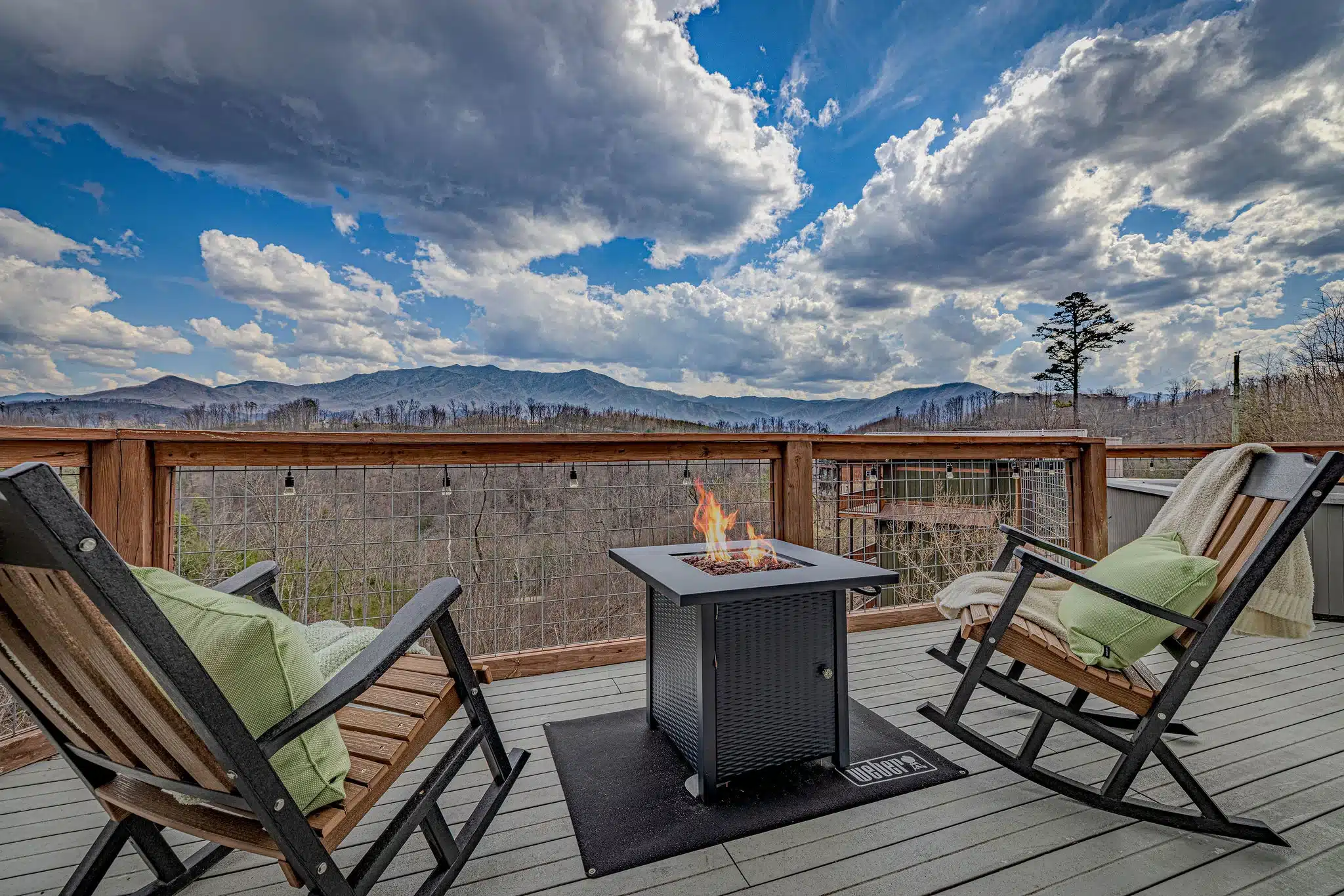
If you’re building a trip around the attractions in this guide, Summit View Lodge puts you 4 miles from the national park entrance and 0.7 miles from Ober Gatlinburg, close enough to fit a full day of hiking and sightseeing without a long drive back. The private hot tub on the view deck is a good place to end that day, with Mt. LeConte still visible as the light fades. Check availability at Summit View Lodge.