
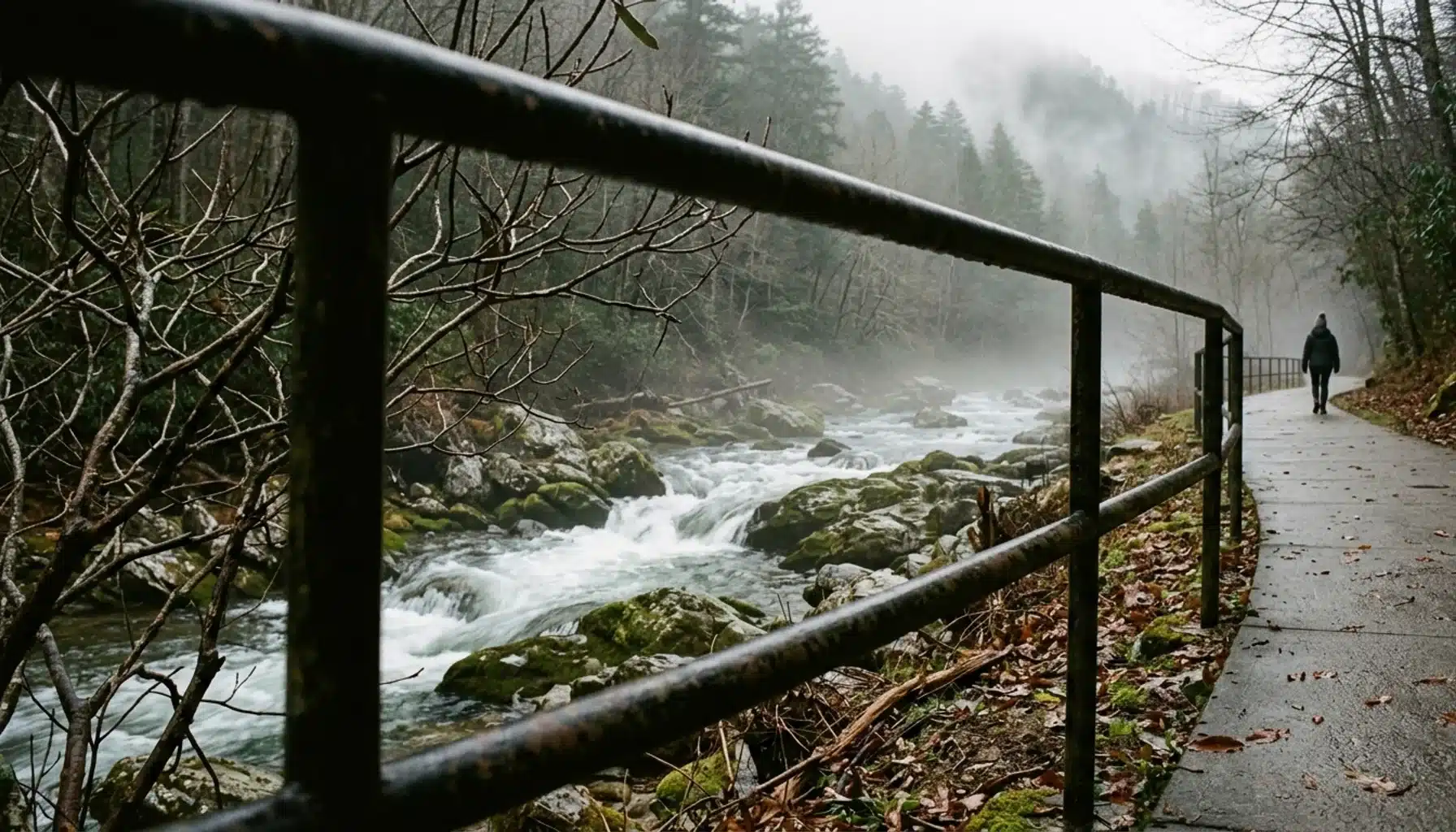
The best fishing spots near Gatlinburg fall into two groups: stocked city streams (the West Prong Little Pigeon River, LeConte Creek, Dudley Creek and Roaring Fork) for easy shore access, and wild trout water inside Great Smoky Mountains National Park for anglers willing to hike. Pick the city streams for a few relaxed hours and the park for a full day. Summit View Lodge, three miles from downtown Gatlinburg, works as a quiet base for either.
Key Takeaways
- Gatlinburg’s city fishing waters are four streams: West Prong Little Pigeon River, Dudley Creek, Roaring Fork and LeConte Creek, per the Tennessee Wildlife Resources Agency (TWRA).
- City fishing is closed every Thursday because that is the day Gatlinburg stocks its streams.
- Fishing hours in the city run from 30 minutes before official sunrise to 30 minutes after official sunset; park waters follow the same daylight window.
- Herbert Holt Park and Mynatt Park have children-only water, and the Herbert Holt pier has its own eligibility rules and a two-fish creel limit.
- The park offers wild rainbow and brown trout water, such as the Little River above Elkmont, but it follows National Park Service rules, not city rules.
- Summit View Lodge sleeps 5 and sits 3 miles from downtown Gatlinburg and 4 miles from the national park entrance.
Most pages that rank for this topic list stream names and stop there. You still have to work out where to park, how far to walk, which section is off limits to adults, and whether the day you picked is a Thursday. This guide compares each option side by side so you can match a spot to your group and your schedule.
Gatlinburg’s pull is real. In the National Park Service’s 2026 visitor-experience research, about 62% of Great Smoky Mountains National Park respondents said they visited Gatlinburg during their trip, and the park drew roughly 12.2 million visits in 2026. That means popular pullouts and trailheads fill by mid-morning, so a dawn start matters more than any lure choice. We at Summit View Lodge have watched guests head out before breakfast and come back with a better trip story than anyone who left at noon.
Which Rivers and Creeks Can You Fish in Gatlinburg?
Gatlinburg city fishing water is the group of four streams that TWRA lists as open to city trout fishing: the West Prong Little Pigeon River, Dudley Creek, Roaring Fork and LeConte Creek. The West Prong is the main one, running from the north entrance on U.S. 441 through downtown to the national park boundary at the city’s southern end.
TWRA describes the West Prong city water as extending from the park boundary to Gnatty Branch, except for sections set aside as children’s streams. A second TWRA-listed reach runs from the North Park Lane Bridge at Herbert Holt Park downstream to the Gatlinburg Bypass Bridge. Dudley Creek’s city reach runs from the Highway 441 Bridge to its junction with the West Prong.
Boundaries are where anglers get confused. A pool that looks like open water may sit inside a children-only section. Before you rig up, read the current Tennessee trout regulations and match the stream reach to the map. Signs on the ground are the final word, and regulations can change.
Beyond town, the park offers far more water. The Gatlinburg tourism office notes more than 700 miles of streams inside the park, though only a fraction are easy to reach. We cover the best-known park picks below.
Why Can’t You Fish on Thursdays in Gatlinburg?
The Thursday closure in Gatlinburg is a weekly shutdown of city fishing waters on stocking day. The City of Gatlinburg stocks its streams every Thursday, releasing trout into the West Prong Little Pigeon River, and closes the water so fish can be placed without anglers in the way.
The fish come from Herbert Holt Park, which houses what the city describes as Tennessee’s only municipal trout farm. According to the City of Gatlinburg Trout Rearing Facility page, trucks haul trout out in loads of 350 to 500 pounds per stocking.
For planning, this creates a useful rhythm. Friday is the day with the freshest-stocked water and, naturally, the most anglers who also read about it. If you want less company, try Saturday or Sunday morning before the crowds arrive, or go midweek. Keep Thursday for a drive or a meal. Our guide to activities in the Smoky Mountains has ideas for filling that day.
The Thursday closure applies to city waters. Park streams follow the National Park Service rules, so confirm the current park fishing rules before assuming a Thursday park trip is allowed.
How Do the Best Fishing Spots Near Gatlinburg Compare?
A comparison of fishing spots near Gatlinburg comes down to three variables: how far you walk, who is allowed to fish the water, and whether the fish are stocked or wild. The table below sorts the main options on those lines using the TWRA, City of Gatlinburg and National Park Service information available as of 2026.
| Spot | Water Type | Access | Best For | Watch Out For |
|---|---|---|---|---|
| West Prong Little Pigeon River (city reach) | Stocked city river | Runs through town along U.S. 441; shore access | First-timers and quick sessions | Closed Thursdays; boundaries near children’s sections |
| Herbert Holt Park and pier | Children-only water | In-town park with accessible pier | Kids and anglers eligible for the pier | Pier eligibility rules; two-fish creel limit |
| Mynatt Park on LeConte Creek | Children-only section | Near the park boundary at the Historic Motor Nature Trail start | Young kids | Section ends about a quarter mile downstream |
| Dudley Creek | Stocked city stream | Highway 441 Bridge to the West Prong | A short, low-effort stop | Confirm the reach with TWRA |
| Roaring Fork | Stocked city stream | Listed by TWRA as city water | Anglers wanting a smaller stream | Verify reach and conditions locally |
| Little River above Elkmont | Park trout water | Roughly two-mile hike to the Fish Camp Prong junction | Hikers who fish | Park rules; early start needed |
| Cades Cove (Horseshoe) | Park trout water | Drive-in area | Rainbow trout and scenery | Heavy visitor traffic |
| Douglas Lake | Reservoir | About a 30-minute drive from Gatlinburg | Bass, crappie and bluegill | Different species and rules than trout streams |
Who should choose what? Take the West Prong if you have two hours and a rental rod. Choose Mynatt Park or Herbert Holt Park if your group includes young kids. Pick the Little River hike if you want to leave the crowds behind. Go to Douglas Lake if your group prefers bass over trout.
West Prong Little Pigeon River: The Easy Default
The West Prong is the stream most visitors end up fishing because it runs through the middle of town. Expect traffic noise, tourists on the sidewalk and plenty of parking pressure on summer weekends. The trade-off is zero hiking.
It works best at dawn, when the river is quiet and the stocked trout are still spread through the pools. By midday, the water gets pressured from both banks and in July the parkway congestion alone can cancel the appeal.
Dudley Creek and Roaring Fork: Smaller Water, Fewer Details
Dudley Creek and Roaring Fork are listed city streams, but the public sources available for this article give less detail about access points than they do for the West Prong. Treat them as secondary options, and call the Gatlinburg Spur Welcome Center or check the TWRA page before driving to either one. We would rather send you to confirmed water than guess at a pullout.
Where Is the Best Place to Fish Without a Boat?
Shore fishing is bank or wade-in angling that needs no boat, and Gatlinburg is built for it. The West Prong through town, the children’s sections at Herbert Holt Park and Mynatt Park, and the walk-in park streams all fish from the bank, so you only need waders if you want to reach deeper pools.
For the easiest bank access, start with the city reach of the West Prong near Herbert Holt Park, since parking and restrooms are in town and nobody has to carry gear far. Terrain is gentle, and the stream is shallow enough for sneakers on a warm day.
For a quieter bank experience, hike the Little River above Elkmont. The Little River Trail climbs roughly two miles to the junction of the Little River and Fish Camp Prong, where rainbow and brown trout are the target. You wade and cast, with no boat anywhere near. Wear boots with traction, because the rocks are slick.
Douglas Lake, about 30 minutes from Gatlinburg, is a reservoir with over 500 miles of shoreline, and anglers go there for largemouth bass, crappie and bluegill. Most people think of boats for lakes, but a lot of that shoreline can be fished from the bank. Check access points and rules for the lake separately, since they differ from the mountain streams.
Where Is the Best Place to Fish in the Smoky Mountains?
The best place to fish in the Smoky Mountains is inside Great Smoky Mountains National Park, where wild rainbow, brown and brook trout live in cold, clear streams. The Little River above Elkmont, the Horseshoe area of Cades Cove and Abrams Creek come up most often.
The Little River hike from Elkmont is our top pick for anglers who like to work for a spot. The two-mile walk up to the Fish Camp Prong junction filters out most casual visitors. Start early, carry water, and plan on a slow return trip, since the trail is uphill on the way out and tiring on the way back after a day on your feet.
Cades Cove’s Horseshoe is known for rainbow trout, but the Cades Cove area is among the busiest in the park, and the loop road slows to a crawl on weekends. If your goal is fishing, not wildlife viewing, go on a weekday morning.
Abrams Creek is another park name worth researching. Check the National Park Service Abrams Creek page for current access and closures before you commit to the drive.
Park fishing is not city fishing. The resort guide we reviewed gives a daily possession limit of five combined rainbow trout, smallmouth bass, brown trout and brook trout, plus 20 rock bass, but limits and tackle rules change, so confirm them on the official National Park Service fishing regulations page before you keep a fish. Black bears also use these stream corridors, especially around dawn, so read our local bear safety guide and keep food sealed. If the hike itself appeals, our trail guide for hiking near Gatlinburg has more options.
What Are the Best Fishing Spots for Families in Gatlinburg?
Children-only fishing water is a stream section that the City of Gatlinburg reserves for young anglers. The best family fishing spots in town are exactly those sections: the water around Herbert Holt Park and the stretch at Mynatt Park along LeConte Creek.
At Herbert Holt Park, the waters around the park, including a short distance upstream and downstream, are designated children-only. The park’s fishing pier is restricted to children and physically handicapped persons of all ages, and the city lists a two-fish creel limit for that section. The same page says all fish caught in the designated Herbert Holt section must be released from December 1 through March 31.
Mynatt Park is the second children-only section. It starts at the park boundary near the beginning of the Historic Motor Nature Trail and runs to about a quarter mile downstream of Mynatt Park. Parking is limited and the area is small, so it suits a one-hour outing better than a full day.
Two details trip up families. First, children-only water is not open to adults who fish alongside the kids; adults should help with knots and netting and leave the rod to the child. Second, the pier’s eligibility rule is separate from the children’s-water rule, so read the posted sign rather than assuming the two match. Confirm any current details on the city page.
Tip: Bring a small cooler with ice for any keepers, a net with a short handle and extra hooks. And pack snacks. A hungry six-year-old ends a fishing trip faster than a cold front does.
How Much Does a Gatlinburg Fishing Permit Cost?
A Gatlinburg fishing permit is a state-issued authorization that anglers must carry to fish city trout waters. The sources reviewed for this article list where to buy one but not a current price, and fees vary by age and residency, so confirm the exact cost at the point of purchase instead of relying on an old blog post.
The official city tourism page lists four places to get a permit: Gatlinburg City Hall, the Spur Welcome Center, GoOutdoorsTennessee.com and the TWRA On The Go app. The online route is the easiest if you arrive late in the day and the counters are closed.
A practical sequence: buy the permit the night before on your phone, screenshot it in case cell service drops in the mountains, and read the stream boundaries while you have Wi-Fi. Cell coverage can be patchy in the park, which is another reason to prepare ahead.
Permit rules differ for city and park waters, and the details can change from year to year. Always check the TWRA page and the National Park Service page for the latest requirements. If you want gear advice or a guided day, The Smoky Mountain Angler (phone (865) 436-8746) is a local fly shop that appears in research for this topic and carries a 4.7 out of 5 rating.
City Rules vs. Park Rules: What Actually Changes?
City fishing rules and park fishing rules are two separate sets of regulations: the City of Gatlinburg and TWRA govern the town streams, and the National Park Service governs waters inside Great Smoky Mountains National Park. Treating them as the same is the most common mistake in competitor articles.
- Hours: city fishing runs from 30 minutes before official sunrise to 30 minutes after official sunset; the park uses the same daylight window per the resort guide, which you should verify with the National Park Service.
- Thursday closure: applies to city waters because of stocking; check park rules separately.
- Children’s water: a city designation at Herbert Holt Park and Mynatt Park, not a park-wide rule.
- Limits: the city lists a two-fish creel limit for the Herbert Holt pier section; the park has its own daily possession limits, which you should confirm before you keep fish.
- Seasonal release: the city requires release of all fish in the designated Herbert Holt section from December 1 through March 31.
Some third-party guides mix these rules together or repeat old season dates. When a blog and an agency page disagree, the agency page wins. Read the TWRA trout regulations for city waters and the National Park Service page for the park, and call ahead if anything looks unclear.
How Should You Plan a Fishing Day by Time and Skill?
A fishing itinerary near Gatlinburg is a plan that matches the stream to the time you have and the experience in your group. These four plans cover the most common situations, and none of them need a Thursday.
- Two hours, beginner: Arrive at the West Prong city reach 30 minutes before sunrise, fish until the town wakes up, then eat breakfast downtown.
- Half day with young kids: Start at Herbert Holt Park or Mynatt Park, keep the session to an hour, then switch to something dry. Our list of Gatlinburg food places is a good place to start for lunch.
- Full day, hiker: Drive to Elkmont, hike the Little River Trail to the Fish Camp Prong junction, fish upward from there, and leave daylight to hike back.
- Bass day: Drive about 30 minutes to Douglas Lake and fish the shoreline for bass, crappie and bluegill.
Before any of these, check the TWRA page for stream-boundary updates and the National Park Service page for closures, then look at the weather. After heavy rain, mountain streams run high and muddy, and fishing is poor and sometimes unsafe. Skip the day or switch to a lake.
Where Should You Stay for Fishing Near Gatlinburg?
A good fishing base near Gatlinburg is a lodging option within a short drive of both city streams and the national park entrance, with an easy early-morning departure. This single-level two-bedroom cabin in Chalet Village North fits that description.
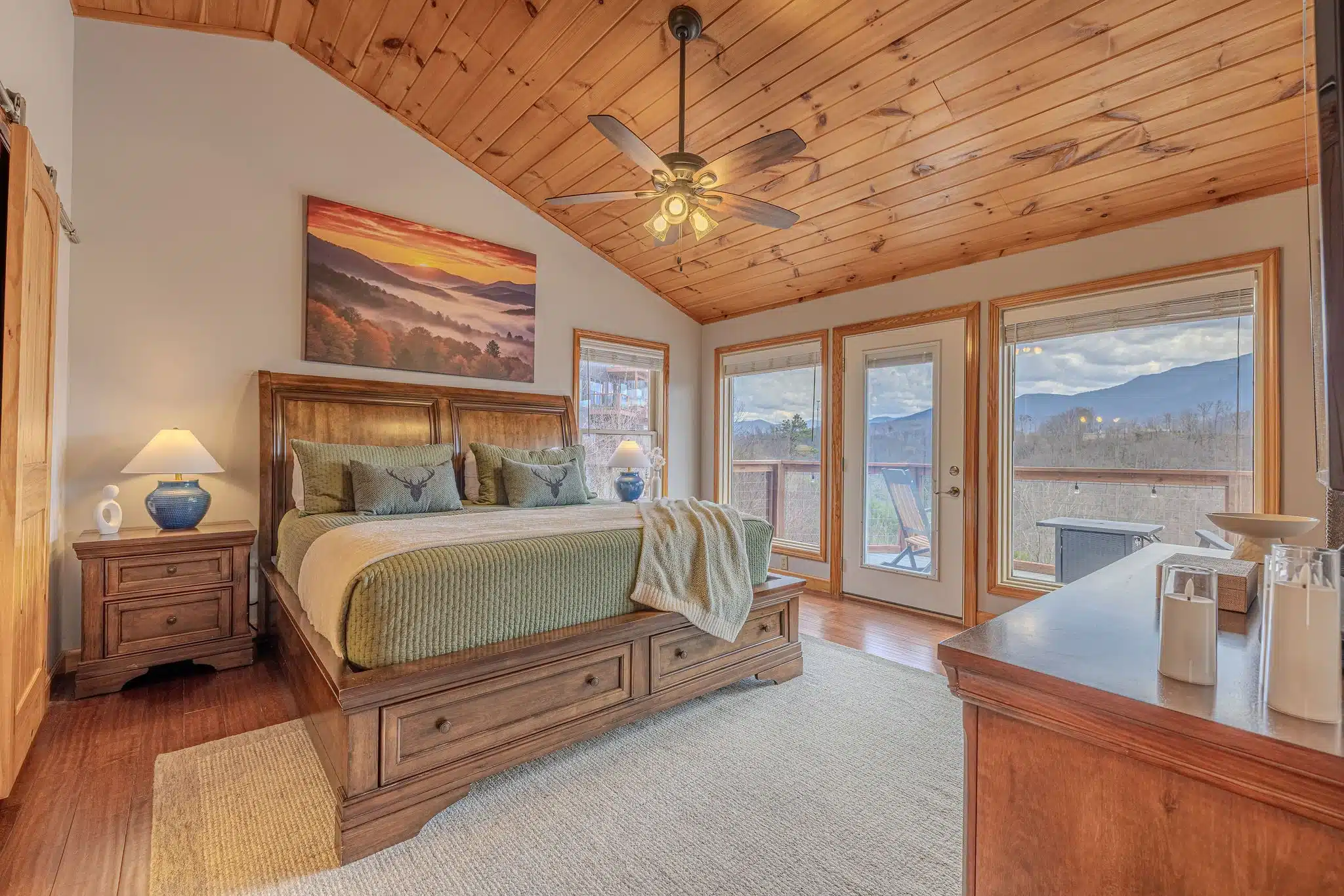
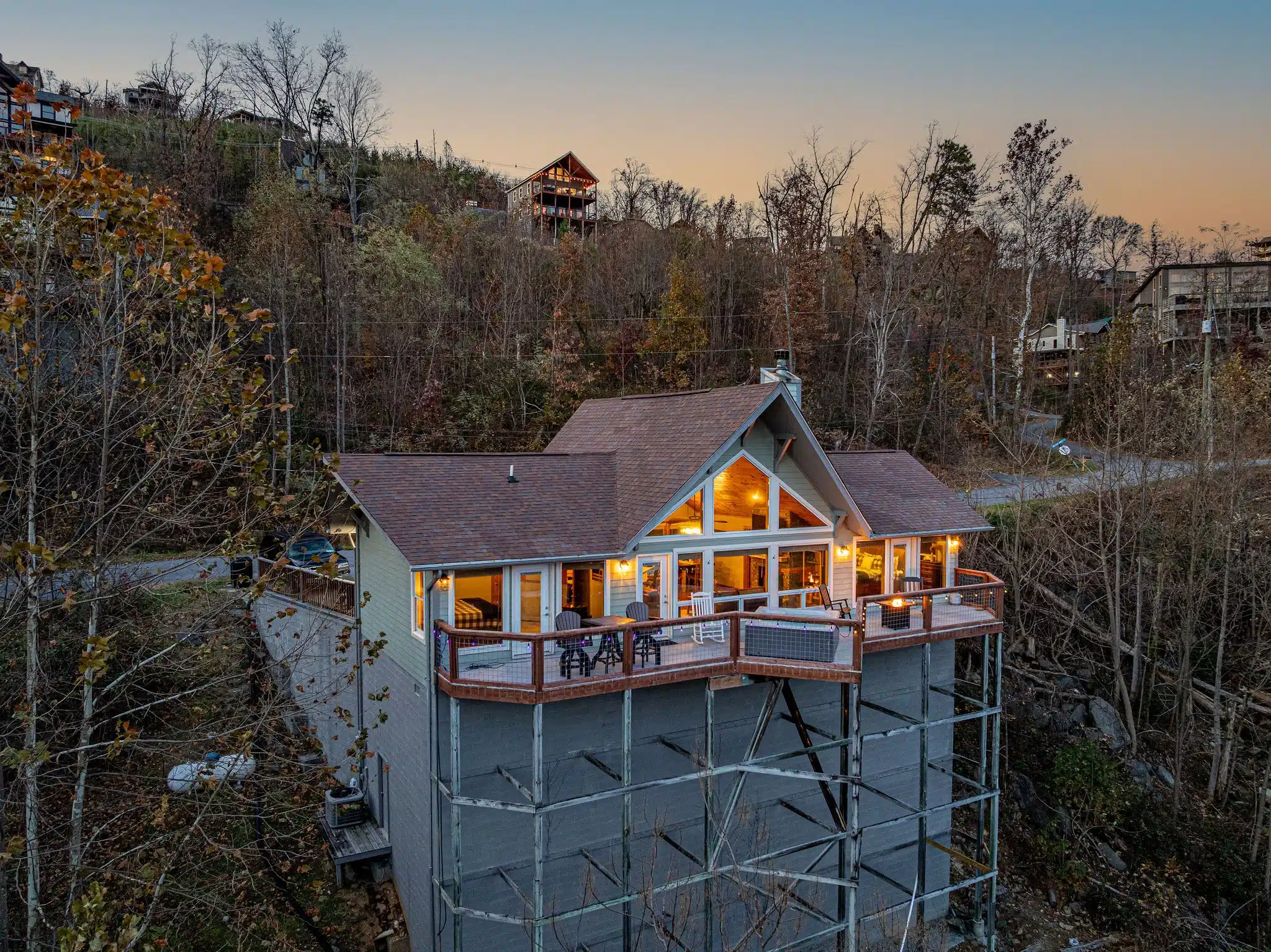
Summit View Lodge sleeps 5: two king bedrooms, each with an ensuite bathroom, plus a sleeper sofa. It sits 3 miles from downtown Gatlinburg, where the West Prong runs, and 4 miles from the national park entrance, so the Elkmont and Cades Cove drives start from a short first leg. Ober Gatlinburg is 0.7 miles away. Winter driving note: the paved mountain roads are easy for a cabin on a hillside, but AWD or 4WD is recommended in snow.
The details anglers appreciate are practical. Self check-in with a smart lock means a late arrival does not cost you the next morning’s start. The in-unit washer and dryer deal with damp socks and fleece. After a morning in cold water, the private hot tub on the deck, with its 180-degree view of Mt. LeConte, is hard to beat. The fully equipped kitchen handles breakfast before you leave in the dark.
One honest caveat: there is no stream on the property, so every fishing day involves a drive. What you get instead is quiet. If a calm retreat matters more to you than walking to the river, read our guide on where to stay in Gatlinburg for a quiet retreat.
What Is the Best Way to Choose Among Fishing Spots Near Gatlinburg in 2026?
Choosing among fishing spots near Gatlinburg in 2026 comes down to matching access to ability. Pick the West Prong city reach for convenience, Herbert Holt Park or Mynatt Park for young children, the Little River above Elkmont for wild trout, and Douglas Lake for bass. Whichever you pick, buy your permit ahead of time, avoid Thursday on city water and read the posted boundaries.
The mistake we see most is overplanning the fishing and underplanning the logistics. Parking in Gatlinburg fills quickly, park roads back up on weekends, and mountain weather turns fast. A simple plan with a dawn start and a backup activity beats an ambitious one. If you want a trip longer than a weekend, our guide to how many days is enough in Gatlinburg helps you fit fishing alongside everything else.
Rules and stocking practices can shift from one season to the next, so recheck the official pages shortly before your trip. For the cabin side of the plan, check availability at Summit View Lodge and pick dates that avoid a Thursday on your main fishing day.
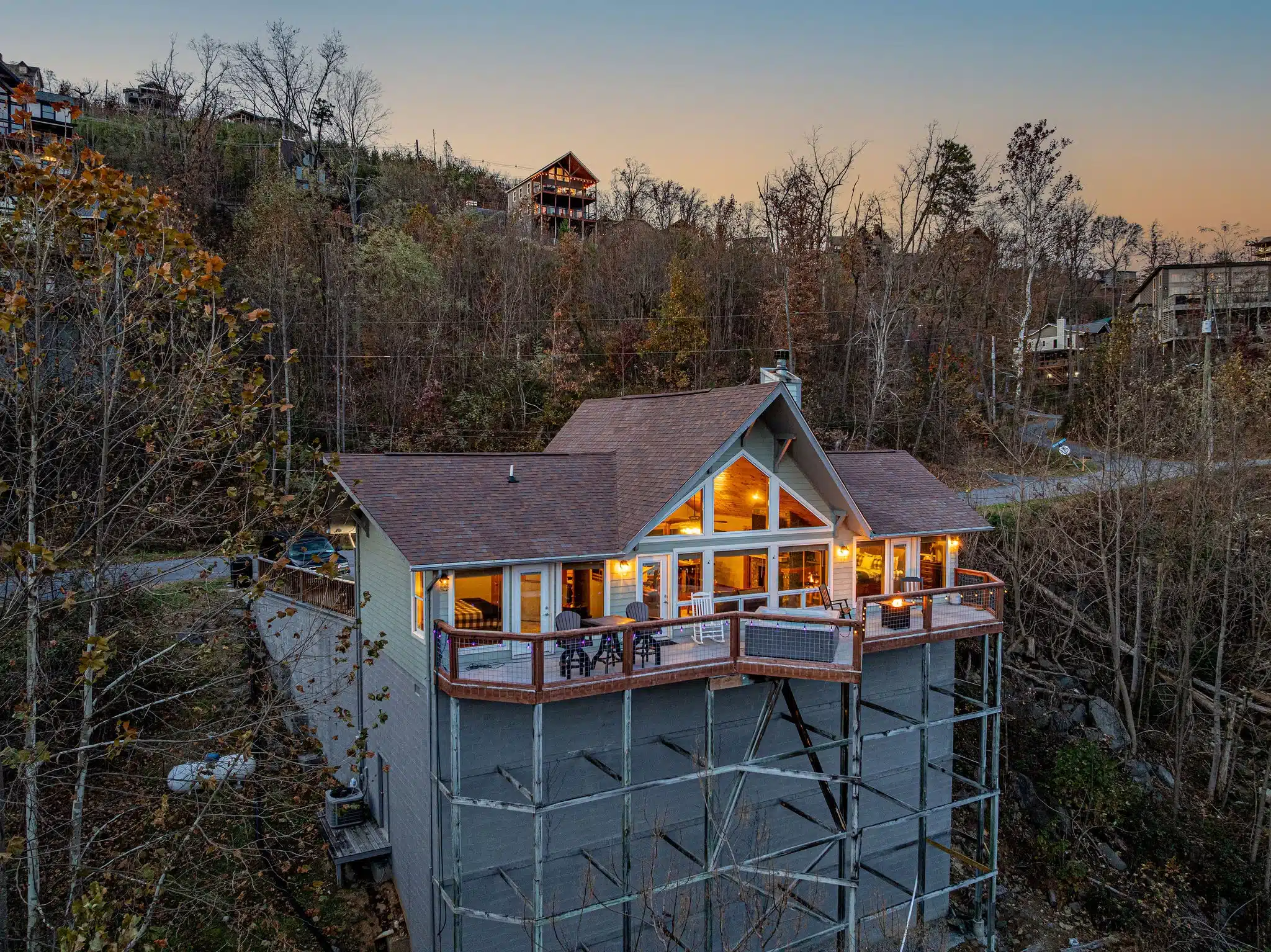
If your plan is a fishing trip with a quiet place to return to, Summit View Lodge sits above the town in Chalet Village North, 4 miles from the national park entrance, with a private hot tub waiting for cold hands at the end of the day. You can see dates and photos here.
Frequently Asked Questions
Why can’t you fish on Thursdays in Gatlinburg?
Gatlinburg closes its city fishing waters on Thursdays because that is the day the city stocks its streams. Trout from the municipal trout farm at Herbert Holt Park are released into the West Prong Little Pigeon River, and the closure keeps anglers out of the way. Fishing resumes on Friday.
How much does a fishing permit cost in Gatlinburg?
The sources reviewed for this guide do not list a current price, and fees can vary by age and residency, so check the cost when you buy. Permits are sold at Gatlinburg City Hall, the Spur Welcome Center, GoOutdoorsTennessee.com and the TWRA On The Go app.
What are the fishing hours in Gatlinburg?
City fishing runs from 30 minutes before official sunrise until 30 minutes after official sunset. Great Smoky Mountains National Park uses a matching daylight window according to the resort guide we reviewed, but confirm current park hours with the National Park Service.
Where is the best place to fish without a boat near Gatlinburg?
The city reach of the West Prong Little Pigeon River near Herbert Holt Park is the easiest bank-fishing option, with no hiking required. For a quieter experience, hike the Little River Trail above Elkmont, about two miles to the Fish Camp Prong junction, and wade-fish for rainbow and brown trout.
Where should I stay in Gatlinburg for a quiet retreat away from the crowds?
Summit View Lodge is a single-level, two-bedroom cabin in Chalet Village North that sleeps 5, with a private hot tub, fire pit and 180-degree view of Mt. LeConte. It sits 3 miles from downtown Gatlinburg and 4 miles from the national park entrance, so you get a quiet perch above town with trailheads and stream access nearby.
How far is Chalet Village from downtown Gatlinburg?
Summit View Lodge in Chalet Village North is 3 miles from downtown Gatlinburg and 4 miles from the national park entrance. Plan on a few extra minutes in summer because of town traffic, and AWD or 4WD is recommended in winter conditions.