

Solo travel Gatlinburg works because the town packs walkable downtown attractions, national park trailheads, and quiet mountain lodging into a compact footprint that a single traveler can navigate without a rental car doing much heavy lifting. You can hike Grotto Falls in the morning, browse the Arts and Crafts Community by afternoon, and eat a solo dinner at the bar without anyone blinking.
Key Takeaways
- Gatlinburg sits at the entrance to Great Smoky Mountains National Park, which recorded 11.5 million visitors in 2026, and roughly 62% of surveyed park visitors also stopped in Gatlinburg during their trip.
- The Gatlinburg Trail runs just under 2 miles along the Little Pigeon River and is one of the few park trails that allows leashed dogs and bikes, making it a low-stress solo warm-up hike.
- Late October to early November and April through May bring smaller crowds than the peak summer and October leaf-season windows, which matters most for solo travelers who want quieter trailheads and easier parking.
- A quiet, view-focused cabin base like Summit View Lodge sits 3 miles from downtown Gatlinburg and 4 miles from the national park entrance, giving solo travelers easy access without staying inside the downtown noise.
- Solo dining works best at bar-seating spots and casual counters rather than reservation-only tables built for groups; Crockett’s Breakfast Camp and Cherokee Grill both handle single diners comfortably.
- Tennessee’s tourism economy generated $32.5 billion in direct visitor spending in 2026, and Gatlinburg’s short-term rental market averaged around $335 nightly with 55% occupancy that same year, according to a 2026 regional analysis.
Traveling alone through the Smokies looks different than a family trip or a group weekend, and most Gatlinburg content doesn’t account for that. Generic “things to do” listicles assume you’re splitting a hotel room four ways or coordinating a group dinner reservation. This guide skips that assumption.
In 2026, solo travel to mountain towns like Gatlinburg keeps climbing, partly because remote work flexibility lets people take midweek trips when trailheads are emptier and cabin rates dip. Great Smoky Mountains National Park stays one of the most visited national parks in the country even as overall visitation eased slightly from 13.3 million in 2023 to 11.5 million in 2026, per National Park Service reporting. That still means a lot of company on popular trails, so this guide leans into the specific timing, routes, and neighborhoods that keep a solo Gatlinburg trip calm rather than crowded.
What follows covers hiking routes matched to solo comfort levels, where to eat without feeling conspicuous, which lodging setup actually suits one traveler, and a safety framework built for people hiking, driving, and exploring without a travel partner watching their back.
How Much Does an Average Trip to Gatlinburg Cost?
A solo trip to Gatlinburg typically runs $150 to $300 per day once lodging, food, park access, and one or two paid attractions are factored in, though costs swing widely based on season and whether you’re splitting a cabin’s nightly rate one way. Tennessee visitor spending averaged $89 million per day statewide in 2026, according to the Tennessee Department of Tourist Development, a figure that reflects the broad range of travelers from budget campers to multi-night cabin guests.
Lodging is the biggest line item for a solo traveler, since cabin and hotel rates don’t shrink much just because you’re one person instead of four. Gatlinburg short-term rentals averaged roughly $335 a night with 55% annual occupancy in 2026, per a regional short-term-rental market analysis, though rates dip in January through March and rise sharply during October leaf season and July’s Craftsmen’s Fair week. A solo traveler booking a smaller cabin or splitting a two-bedroom unit across a multi-night stay can bring the effective nightly cost down meaningfully.
Food runs $10 to $15 for breakfast, $12 to $25 for lunch, and $20 to $40 for a sit-down dinner without alcohol. Great Smoky Mountains National Park itself charges no entrance fee, though as of 2023 the park introduced a parking tag requirement for anyone parking longer than 15 minutes, so budget a small daily or weekly fee for that if you’re driving into the park often. Paid attractions like Gatlinburg SkyLift Park or Ober Mountain typically run $20 to $40 per adult ticket depending on the ride package.
Is It Better to Walk Around Gatlinburg or Pigeon Forge for Solo Travelers?
Gatlinburg is the better base for walkable solo exploration because its downtown core compresses shops, restaurants, and trailhead access into a few blocks along the Parkway, while Pigeon Forge spreads its attractions along a wider corridor that leans on driving between stops. Roughly 62% of surveyed Great Smoky Mountains National Park visitors visited Gatlinburg during their trip compared with 50% who visited Pigeon Forge, according to National Park Service visitor data, which reflects Gatlinburg’s tighter proximity to the park entrance.
Downtown Gatlinburg’s Parkway lets you park once, or ride the free trolley system, and walk to The Village shopping collection, moonshine distilleries, and dozens of restaurants without moving your car again. Pigeon Forge’s attractions, including Dollywood roughly 12 miles from Chalet Village North, are worthwhile but require more driving between stops, which adds friction for a solo traveler managing their own logistics.
That said, Pigeon Forge earns a dedicated half-day if you want Dollywood or a dinner show like Hatfield and McCoy or Pirates Voyage. Most solo itineraries work best anchored in Gatlinburg with one Pigeon Forge day trip mixed in, rather than splitting nights between both towns.
What’s the Best Month to Visit Gatlinburg Solo?
April, May, and the stretch from late October into early November are the best months for solo Gatlinburg trips, since both windows combine comfortable hiking weather with noticeably thinner crowds than the summer and peak fall-color months. Spring brings blooming dogwoods and mountain laurel along lower-elevation trails, while late fall delivers crisp air and quieter overlooks once the heaviest leaf-peeping traffic clears out.
Summer, specifically June through early August, draws the largest crowds of the year alongside family vacation schedules, which means longer waits for trolley seats, packed trailhead parking lots by 9 a.m., and dinner waits at popular restaurants. Early October through the first two weeks of November brings the most intense crowds of the entire year for leaf season, when Newfound Gap Road and the Roaring Fork Motor Nature Trail can back up with traffic for over an hour.
Winter, particularly January and February, offers the thinnest crowds and lowest cabin rates of the year, but solo hikers should know that higher-elevation trails toward Mount LeConte and Clingmans Dome, the park’s highest peak, often ice over and some access roads close seasonally. If you’re comfortable with cold-weather hiking and want true solitude, winter delivers it, but check National Park Service trail conditions before committing to anything above 4,000 feet.
| Season | Crowd Level | Best For | Watch Out For |
|---|---|---|---|
| April-May | Moderate | Wildflower hikes, mild temps | Occasional spring rain |
| June-Early August | Heavy | Longer daylight, full trail access | Crowded parking, higher rates |
| Early Oct-Mid Nov | Very Heavy | Fall color, Harvest Festival | Traffic on Newfound Gap Road |
| Late Nov-March | Light | Lowest rates, quiet trails | Icy high-elevation trails, seasonal closures |
Is Two Days Enough in Gatlinburg for a Solo Trip?
Two days covers Gatlinburg’s core solo highlights, including one national park hike, downtown exploration, and one aerial viewpoint, but three days lets you add a second, more remote trail and a full Arts and Crafts Community visit without rushing. A lodging-industry planning guide commonly suggests at least three full days for a Gatlinburg-focused trip and four to six days if you’re adding Dollywood or extensive hiking, though that’s general trip-planning guidance rather than an official park recommendation.
On a two-day trip, spend day one hiking the Gatlinburg Trail or Grotto Falls in the morning, then walk the downtown Parkway and ride the Gatlinburg SkyLift Park in the afternoon before an early dinner. Day two works well for a scenic drive along Newfound Gap Road with stops at overlooks, followed by the 8-mile Arts and Crafts Community loop and an evening at a downtown brewery or distillery.
Three days lets you add a moderate hike like Alum Cave Trail or a quieter option like Porters Creek, both of which reward the extra day with fewer people on the trail. If your schedule allows only a weekend, prioritize one hike, one scenic drive, and downtown time over trying to cram in every attraction on this list.
What Are the Best Solo-Friendly Hikes Near Gatlinburg?
The best solo-friendly hikes near Gatlinburg range from the flat, nearly 2-mile Gatlinburg Trail to the moderate, 1.6-mile round-trip Grotto Falls Trail, giving solo hikers options that match different fitness levels and comfort with trail traffic. Great Smoky Mountains National Park maintains all of these routes, and trail conditions can change seasonally, so checking the National Park Service site before heading out is worth the two minutes it takes.
The Gatlinburg Trail follows the Little Pigeon River through old-growth forest and is one of only two park trails that allow dogs and bicycles, making it an easy, low-stakes first hike for a solo traveler still getting oriented. Grotto Falls, reached via the Roaring Fork Motor Nature Trail, is the only trail in the park where you walk directly behind a waterfall, and its moderate 1.6-mile round trip makes it manageable in under two hours.
For solo hikers wanting a bigger day, the Alum Cave Trail offers a genuinely challenging route toward Mount LeConte, with a roughly 10-mile round-trip option to the summit for those pursuing the full climb. Hikers on trail-focused discussion forums frequently describe Alum Cave as moderate to advanced depending on how far you go, Rainbow Falls as one of the more strenuous options in the immediate Gatlinburg area, and Laurel Falls as a paved, relaxed walk best done early to avoid its notoriously packed parking lot.
If you’d rather skip the crowds entirely, trails like Porters Creek, Kephart Prong, and Newton Bald see noticeably less foot traffic than the marquee routes, based on anecdotal reports from hikers who frequent the park. These are worth considering on a second or third day once you’ve gotten comfortable with the park’s layout.
What Should Solo Hikers Know Before Heading Into the Smokies?
Solo hikers entering Great Smoky Mountains National Park should tell someone their planned route and expected return time before setting out, since cell coverage disappears across most of the park’s interior and trail rescues take longer without a companion to raise the alarm. This single habit is the most commonly repeated safety recommendation across solo travel guides for the region, and it costs nothing but a text message.
Specifically, download an offline map before you lose signal, since several popular trailheads and most of the park’s interior have no reliable cell service. Carry a portable power bank so a dead phone doesn’t strand you without a map or flashlight. Check the weather forecast the morning of your hike rather than the night before, since mountain conditions shift fast, and start hiking early enough to be off the trail well before dark.
Stay on marked, maintained trails even when a shortcut looks obvious, since the terrain off-trail is steeper and less predictable than it appears from the path. Black bears are active throughout the park; if you encounter one, stay calm, back away slowly without running, and make noise to avoid surprising it at close range. Carry more water than you think you’ll need, especially on the exposed sections of Alum Cave and Rainbow Falls, and pack a basic first aid kit for blisters and minor scrapes.
As a result, a solo hiker who plans their route, checks conditions, and tells someone their timeline removes most of the actual risk from hiking alone in the Smokies. The mountains themselves aren’t the danger; being unprepared for them is.
What Can Solo Travelers Do in Downtown Gatlinburg?
Downtown Gatlinburg offers a walkable mix of shopping, scenic rides, and casual dining along the Parkway that suits a solo traveler without a car or group to coordinate with. The free trolley system connects most of the corridor, so you can park once at your cabin or a downtown lot and cover the whole downtown area on foot and by trolley.
Gatlinburg SkyLift Park sends riders up to the SkyDeck and across the SkyBridge, a glass-floored suspension bridge with views back over the town and the surrounding ridgeline; early morning or the last ride before closing tends to be quieter than midday. The Space Needle observation deck, roughly 400 feet up with a glass elevator ride of about a minute, gives a similar solo-friendly overlook experience downtown. Ober Mountain’s aerial tramway offers another vantage point and, in winter, adds skiing and tubing for solo travelers who want an active afternoon.
The Village shopping area downtown packs around two dozen independent boutiques into a courtyard-style layout that’s easy to browse solo without feeling rushed. If moonshine tasting interests you, several downtown distilleries offer short, casual tastings that work well for a party of one. For an evening museum stop, Ripley’s Aquarium and attractions like Hollywood Star Cars Museum or Alcatraz East Crime Museum in the Pigeon Forge corridor give you an indoor option on a rainy afternoon; for a full rundown of what to do when weather turns, this guide to rainy day activities in Gatlinburg covers options beyond the obvious arcade stops.
What Is the Arts and Crafts Community and Is It Worth a Solo Visit?
The Great Smoky Mountains Arts and Crafts Community is an 8-mile loop of independent studios and galleries just east of downtown Gatlinburg, and it’s genuinely worth a solo visit because you can move at your own pace without negotiating anyone else’s shopping priorities. The loop is one of the largest organized groups of independent artisans in the country, with working studios where you can watch potters, woodworkers, and glassblowers at their craft rather than just browsing finished pieces.
Driving the full loop takes about two to three hours if you stop at even a handful of studios, though you can also take the trolley from downtown to reach the community without a car. Because the stops are self-paced and mostly free to browse, it’s one of the easiest solo activities in the area; nobody is waiting on you to finish looking at pottery.
Visit on a weekday morning if you want the quietest experience, since weekend afternoons draw more tour groups and families. The community also hosts the Gatlinburg Craftsmen’s Fair each July, a larger juried show that adds vendor booths and demonstrations beyond the year-round studios, according to seasonal event listings for the area.
Where Should Solo Travelers Eat in Gatlinburg?
Solo travelers eat most comfortably in Gatlinburg at restaurants with bar seating or casual counter service, since sitting alone at a bar draws no attention while a lone diner at a large table sometimes does. Crockett’s Breakfast Camp, Cherokee Grill, and The Greenbrier all come recommended in solo travel writeups for handling single diners without friction.
Crockett’s Breakfast Camp is a Gatlinburg institution known for oversized portions and a mountain-lodge atmosphere, and its counter seating makes it an easy solo breakfast stop before a morning hike. Expect a wait on weekend mornings, so arriving right at opening or after the initial rush around 10 a.m. helps. Cherokee Grill offers a more upscale, low-fuss dinner with steak and trout on the menu, and its bar area is a comfortable spot for a solo dinner with a glass of wine. The Greenbrier leans intimate, with a smaller dining room that suits a quiet solo meal better than a loud, group-oriented restaurant would.
For solo-specific logistics, call ahead on weekend evenings to ask whether bar seating is available without a reservation, since many Gatlinburg restaurants fill up fast during peak season and don’t always hold bar seats. Budget $20 to $45 for a solo dinner with one drink at a mid-range restaurant, and expect cash to still be preferred at a few smaller counter-service spots downtown, even though most now take cards.
Where Should Solo Travelers Stay in Gatlinburg for a Quiet Retreat?
Solo travelers wanting a quiet retreat away from downtown’s noise should look at cabins in the Chalet Village North area, which sits above Gatlinburg’s Parkway corridor but stays close enough for an easy drive into town. This setup gives you privacy and mountain views at night while keeping you a short drive from restaurants, trailheads, and downtown attractions during the day.
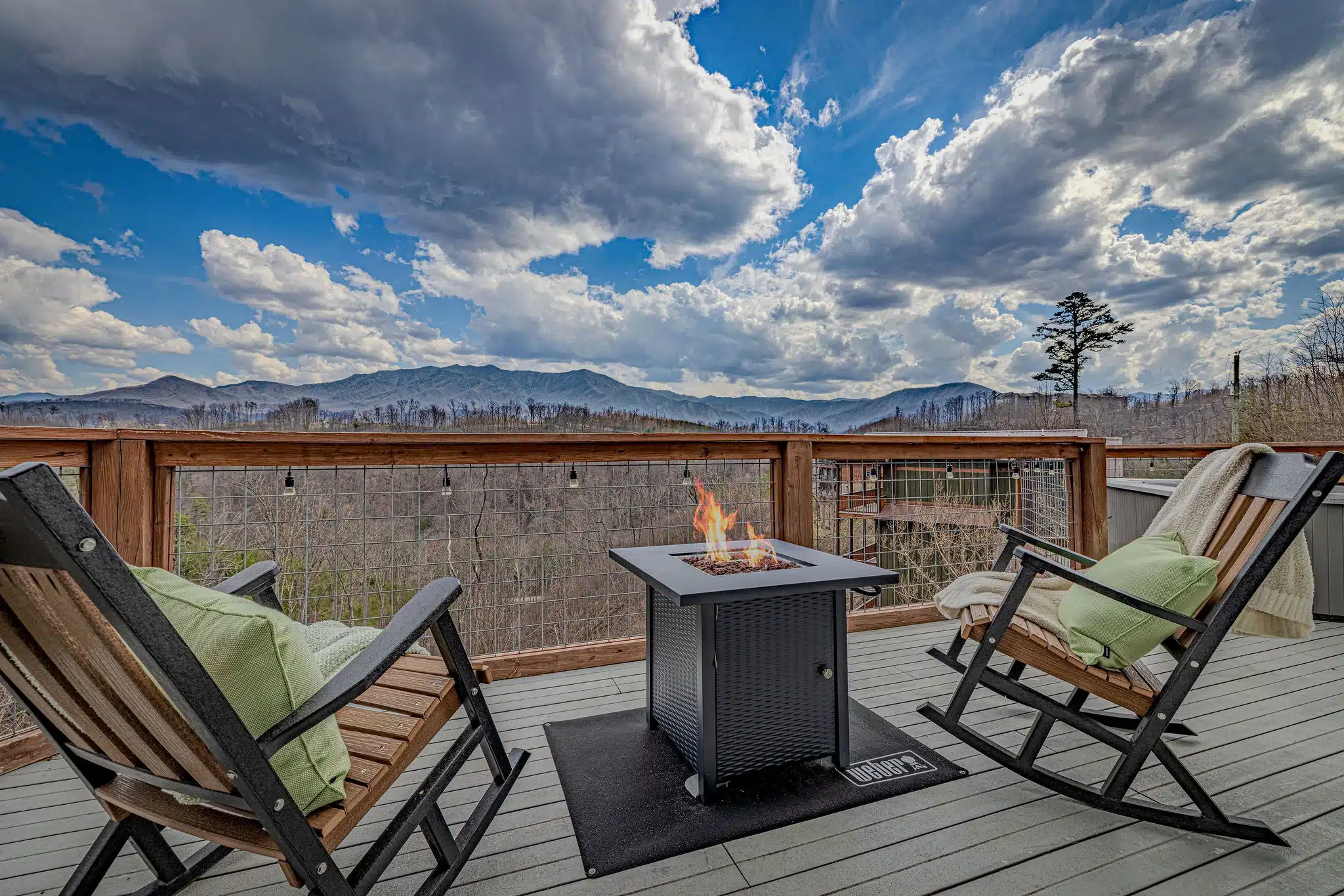
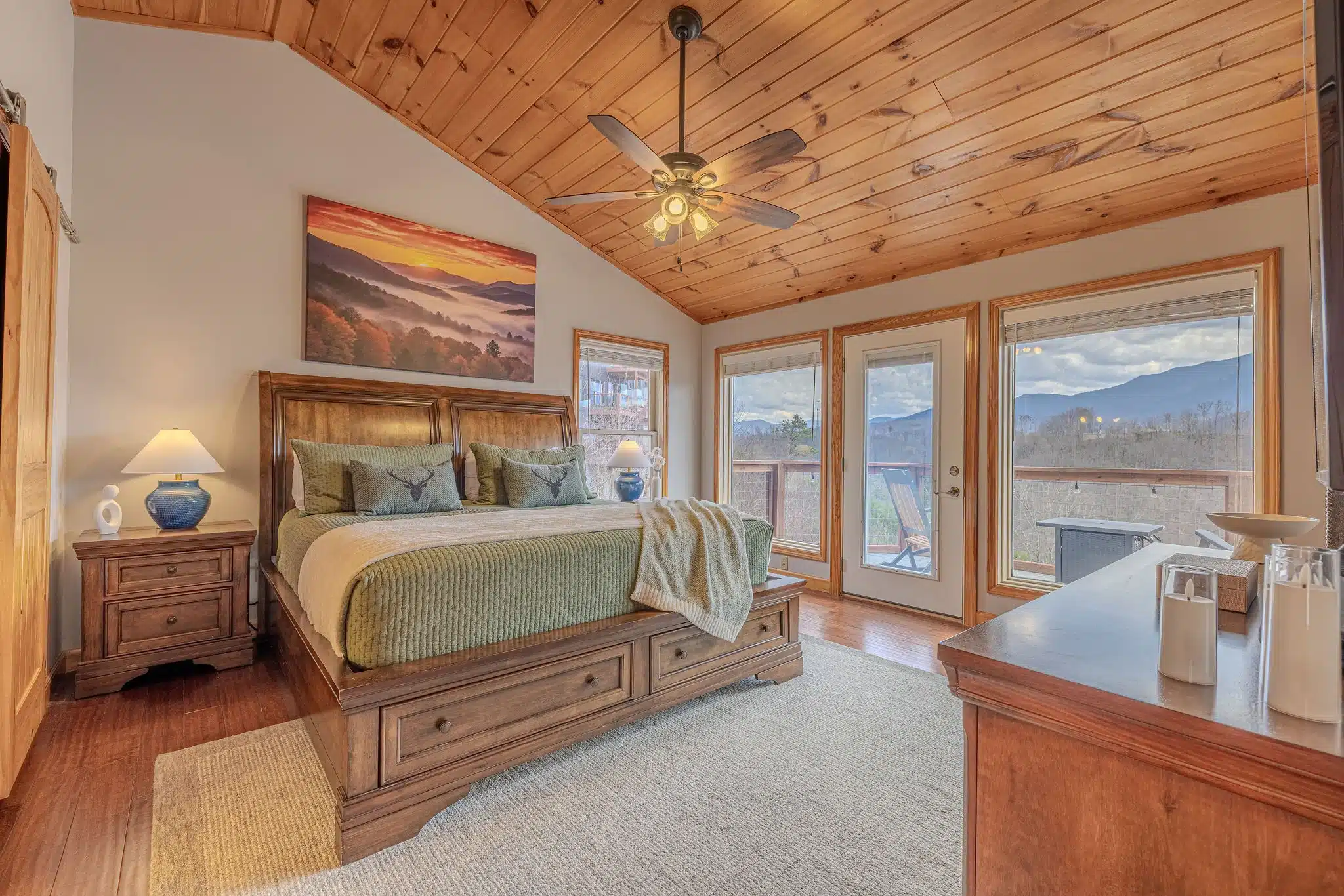
Most Gatlinburg solo travel guides mention hotels with balconies and basic in-room comforts, but a well-located cabin often beats a hotel room for a solo stay because you get a full kitchen, a private outdoor space, and none of the hallway noise that comes with a busy hotel corridor during peak season. Summit View Lodge sits in exactly this spot, 3 miles from downtown Gatlinburg and 4 miles from the Great Smoky Mountains National Park entrance, with floor-to-ceiling windows that frame Mt. LeConte from the living room and both king bedrooms.
While the cabin sleeps up to five guests across two king ensuite bedrooms and a sleeper sofa, a solo traveler gets the run of the whole space, including the private hot tub and fire pit on the view deck, without splitting cost or compromise with anyone else. The single-level layout with no interior stairs makes coming and going from a day hike simple, and self check-in via smart lock means no coordinating arrival times with a front desk. Free parking for two cars and fast WiFi round out the practical side, useful if you’re extending a trip with a day or two of remote work before switching fully into vacation mode.
If a quiet, view-driven cabin appeals more than a downtown hotel room, it’s worth comparing the tradeoffs directly; this breakdown of a quiet cabin away from the crowds in Gatlinburg goes deeper into what that tradeoff actually looks like day to day. And if you’re weighing whether a rental cabin makes sense for solo trip lengths at all, the Gatlinburg luxury cabins explained guide breaks down what amenities are actually worth paying for versus what’s marketing filler.
What Should Solo Travelers Prioritize When Choosing Where to Stay?
Solo travelers choosing lodging in Gatlinburg should prioritize proximity to the park entrance, availability of single-night or short-stay bookings, and whether the property offers genuine privacy versus a shared social setting, since these three factors matter more for a solo trip than they do for a group trip. A cabin that’s a 20-minute drive from every trailhead adds up fast when you’re doing the driving alone every day.
Common Mistakes to Avoid
- Booking a large group-oriented cabin because it was the only one with availability, then paying group-cabin prices for one person. Look for smaller units or off-peak dates instead.
- Choosing a downtown hotel purely for walkability without checking if it has any quiet outdoor space; downtown corridors get loud on weekend nights.
- Skipping the parking tag requirement at Great Smoky Mountains National Park trailheads, which applies to any vehicle parked more than 15 minutes, and getting a citation as a result.
- Not checking whether winter road conditions require AWD or 4WD access to a mountain cabin; Chalet Village North’s roads are paved but still call for caution in snow.
Step-by-Step: Planning a Solo Gatlinburg Trip
- Pick your travel window based on crowd tolerance: April-May or late October-early November for a balance of good weather and thinner crowds, winter for maximum solitude with some trail limitations.
- Book lodging that puts you within a 10-minute drive of both downtown Gatlinburg and the national park entrance, rather than choosing based on price alone.
- Map out one anchor hike per day rather than stacking multiple trails, since solo pacing tends to run slower with more stops for photos and rest.
- Download offline maps for the park before your trip, since cell service disappears across most of the interior.
- Text a friend or family member your daily plan each morning, including which trail you’re hiking and your expected return time.
- Build in one full downtown day for the Arts and Crafts Community loop, SkyLift Park, and a relaxed solo dinner.
What Should Solo Travelers Skip in Gatlinburg?
Solo travelers can reasonably skip large group dinner shows like Hatfield and McCoy Dinner Show or Pirates Voyage unless the format genuinely interests you, since these venues are built around communal tables and group energy that doesn’t always translate well to a solo evening. That’s not a knock on either show; both draw strong crowds and reviews, they’re just designed for a different kind of visit.
Laurel Falls’ parking lot fills to capacity by mid-morning on weekends during peak season, and circling for a spot burns time better spent on a less congested trail. If you specifically want that hike, go at first light on a weekday instead. Similarly, Cades Cove’s 11-mile loop road backs up with traffic during peak wildlife-viewing hours in the evening; a Reddit-sourced tip among frequent park visitors suggests visiting Cades Cove early in the day to avoid the worst of it.
Downtown’s busiest blocks on a Saturday night in July or October draw dense foot traffic that can feel overwhelming if you’re solo and just want a quiet walk. A weekday evening or an early morning stroll before the shops open delivers the same downtown character with a fraction of the crowd.
Where Locals and Frequent Visitors Suggest Going for Quieter Views
Frequent park visitors point to Foothills Parkway and the Look Rock Fire Tower as strong sunrise and sunset viewpoints that see far less traffic than the main overlooks along Newfound Gap Road. These spots require a bit more driving to reach but reward the effort with open, uninterrupted mountain views and far fewer people jockeying for the same photo.
Newfound Gap Road itself still delivers some of the best accessible overlooks in the park and is worth the drive even with moderate traffic, especially for a scenic loop that ends with an evening stop at a downtown brewery or distillery. For a broader list of lower-key spots that don’t show up on every tourist itinerary, this guide to hidden gems in Gatlinburg rounds up additional options worth the extra drive time.
If your trip lines up with a seasonal event, checking the Gatlinburg festivals worth planning a 2026 trip around guide ahead of time helps you decide whether to lean into festival crowds or plan your solo trip around them entirely.
Frequently Asked Questions
Where should I stay in Gatlinburg for a quiet retreat away from the crowds?
Cabins in the Chalet Village North neighborhood offer the best balance of quiet and convenience, sitting above the downtown Parkway while staying a short drive from restaurants and trailheads. Summit View Lodge, 3 miles from downtown Gatlinburg, gives solo travelers a private hot tub, fire pit, and mountain views without the noise of a downtown hotel corridor.
What are the best months for enjoying Gatlinburg’s local cuisine and seasonal foods?
Spring (April-May) and fall (late September through November) bring seasonal menu specials tied to local apple harvests and mountain trout runs at many Gatlinburg restaurants, along with more comfortable outdoor dining weather. Summer keeps kitchens busy with peak crowds, so expect longer waits at popular spots like Cherokee Grill during July and August.
What should I do in Gatlinburg as a solo traveler?
Anchor your days around one national park hike, like the Gatlinburg Trail or Grotto Falls, and pair it with downtown time on the Parkway, a ride on the Gatlinburg SkyLift Park, and a visit to the Arts and Crafts Community loop. Solo dining works best at bar seating or casual counters at spots like Crockett’s Breakfast Camp.
Is 3 days enough for a Gatlinburg trip, and what would a solo itinerary look like?
Three days works well for a solo trip: day one for a hike and downtown exploration, day two for the Arts and Crafts Community loop and a scenic drive along Newfound Gap Road, and day three for a second, quieter trail like Porters Creek or a half-day trip to Pigeon Forge. This pacing avoids the rushed feeling of a tighter two-day trip while still fitting a realistic vacation window.
Is it safe to hike alone in Great Smoky Mountains National Park?
Hiking alone in the park is generally safe if you stay on marked trails, check weather before heading out, and tell someone your route and return time, since most incidents involve unprepared hikers rather than random danger. Cell service is unreliable across most of the park interior, so download offline maps and carry a power bank before you go.
Does Summit View Lodge work well for a solo traveler even though it sleeps five?
Yes, a solo traveler gets full use of the cabin’s private hot tub, fire pit deck, and two king ensuite bedrooms without splitting cost, which some solo travelers prefer over a cramped single hotel room. The single-level layout and self check-in via smart lock also simplify arrival and daily comings and goings from hikes.
Do I need a car for a solo trip to Gatlinburg?
A car is useful for reaching national park trailheads and the Roaring Fork Motor Nature Trail, but downtown Gatlinburg itself is walkable and served by a free trolley system that connects most attractions along the Parkway. If you’re staying at a cabin above town, like one in Chalet Village North, a car becomes more necessary for daily trips down the mountain.
What’s the biggest mistake solo travelers make planning a Gatlinburg trip?
The most common mistake is overpacking the itinerary with too many trails and attractions in one day, which leads to rushed hikes and missed downtime. Solo pacing tends to run slower than group pacing, so planning one anchor activity per day, with flexibility built in, produces a more enjoyable trip than a tightly scheduled one.
Conclusion
Solo travel Gatlinburg comes down to matching your pace to the mountains rather than a group’s schedule: one hike a day, a walkable downtown built for wandering, and a lodging choice that gives you privacy without cutting you off from the action. Great Smoky Mountains National Park’s 11.5 million 2026 visitors prove the area draws a crowd, but timing your trip for April-May or late October and choosing quieter trails like Porters Creek keeps that crowd from becoming your problem.
As Tennessee tourism keeps growing into 2026, with visitor spending up 2.7% and occupancy trending higher across Gatlinburg’s short-term rental market, the smartest solo move is still the simplest one: pick a home base close enough to the park entrance and downtown Parkway that you’re not losing your day to driving, and let the trails and the town do the rest.
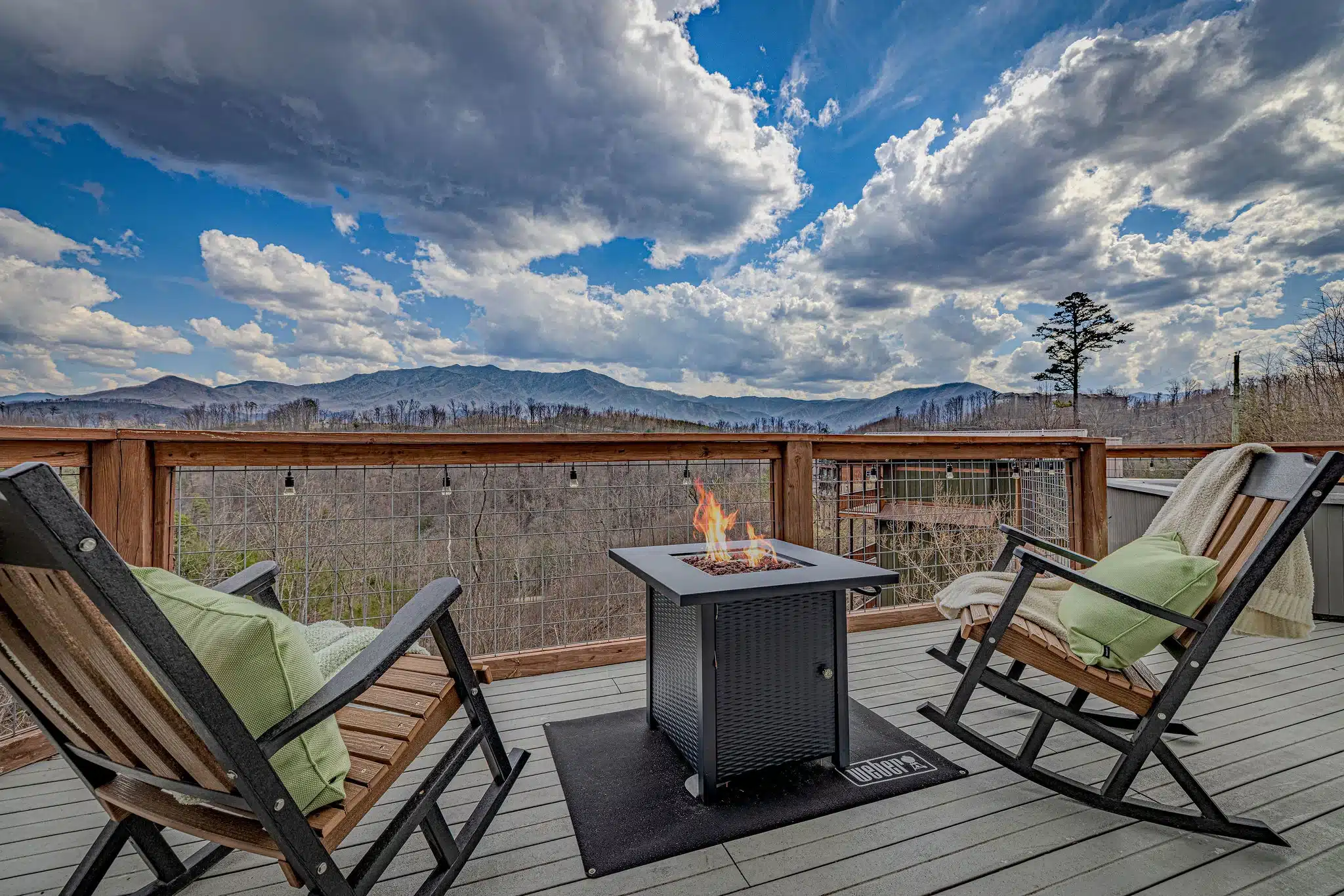
If a quiet mountain perch sounds better than a downtown hotel corridor, Summit View Lodge puts you 3 miles from downtown Gatlinburg and 4 miles from the national park entrance, with a private hot tub and fire pit deck waiting at the end of a solo hiking day. Check availability directly here.