

The best months for enjoying Gatlinburg’s local cuisine and seasonal foods are April through early June for uncrowded dining and mid-October through early November for apple butter, stack cake, and fresh cider at their peak. Both windows skip the worst crowds while catching Appalachian food traditions at their strongest.
Key Takeaways
- Spring, specifically April through early June, offers shorter waits at breakfast spots and comfortable weather for walking between restaurants downtown.
- Mid-October through early November is the strongest stretch for fall harvest foods: apple butter, stack cake, and orchard cider.
- Summer (July and August) draws the heaviest crowds; Saturday breakfast waits at popular spots can run past an hour, so plan meals before 8 a.m. or after 10:30 a.m.
- The Smoky Mountain Harvest Festival runs from mid-September through late November, covering the entire fall food season with pumpkin and apple themed offerings.
- Winter is the quietest season for dining, with most restaurants still open and December bringing stack cake, dried apple treats, and local honey to holiday markets.
- Food and beverage spending makes up a large share of what visitors spend on a typical Smoky Mountains trip, which shows how central eating out is to the experience here.
If you plan a trip around what’s actually in season rather than just a date on the calendar, Gatlinburg rewards that instinct. At Summit View Lodge, we’ve watched guests arrive in October chasing apple butter and leave with a mental list of which orchards sell out first. We’ve also watched July visitors wonder why the Pancake Pantry line wraps around the block by 8:15 a.m. Timing your trip to Gatlinburg’s food calendar changes the entire experience.
This guide breaks the year into distinct eating windows rather than lumping everything into “fall is best,” because that’s the gap most food guides leave open. You’ll get honest crowd assessments by season, a real answer on Appalachian food traditions versus theme park seasonal menus, and specific restaurant and orchard names worth building a meal around. As of 2026, the calendar hasn’t shifted much year to year, but festival dates and menu items do change, so treat exact dates as a planning starting point and confirm before you go.
We’ll also cover where Gatlinburg’s food scene ends and Pigeon Forge’s begins, since most articles blur the two towns together in a way that makes itinerary planning harder than it needs to be.
What Is the Best Month to Visit Gatlinburg for Local Food?
The best single month for Gatlinburg’s local cuisine is October, when apple butter, stack cake, and orchard-fresh cider are at their peak alongside the Smoky Mountain Harvest Festival. Late April and May run a close second for anyone who prioritizes short waits over festival atmosphere.
October works because it stacks harvest-season ingredients, festival programming, and mild outdoor-dining weather on top of each other. Mid-October through early November is when apple butter kettles, stack cake vendors, and cider presses show up at their strongest across Gatlinburg and neighboring Pigeon Forge. The Dollywood harvest programming and the citywide Smoky Mountain Harvest Festival both lean into this same window, which means restaurants and general stores adjust their menus to match.
The tradeoff: October is also one of Gatlinburg’s higher-demand travel months for lodging, alongside July and December, according to AirROI’s 2026 Gatlinburg market data. Book dinner reservations a few days ahead if you’re set on a specific spot during peak leaf season, typically the second and third weeks of October.

When Should You Avoid Visiting Gatlinburg for Dining?
Late July and early August are the toughest months to eat well in Gatlinburg without significant wait times, since summer draws the highest visitor volume of the year to the Great Smoky Mountains region. If you dislike lines, this stretch is the one to plan around rather than through.
Summer crowding isn’t a guess; it’s the predictable result of school schedules colliding with peak park visitation. Great Smoky Mountains National Park drew roughly 12.2 million visitors in 2026 according to the National Park Service, and the park service’s own 2026 visitor research found that about 62 percent of park visitors also stopped in Gatlinburg. That overlap means downtown restaurants absorb both hiking traffic and drive-through vacationers on the same July Saturday.
Practically, this shows up as Saturday-morning waits exceeding an hour at popular breakfast counters. The fix isn’t skipping summer entirely, since sweet corn and early tomatoes peak then too. Instead, eat before 8 a.m. or after 10:30 a.m., and treat dinner reservations at sit-down spots as mandatory rather than optional. Weekday visits, particularly Tuesday through Thursday, cut the wait dramatically compared to any weekend in July or August.
What’s the Cheapest Month to Visit Gatlinburg for Food and Lodging?
January, February, and May are Gatlinburg’s lowest-demand months for short-term rentals, according to AirROI’s 2026 data, which typically translates to better lodging rates and shorter restaurant waits during the same stretch. Winter months in particular combine lower prices with a genuinely quiet dining scene.
AirROI’s seasonal breakdown puts average monthly revenue for Gatlinburg vacation rentals at $3,388 during low season (January, February, May) versus $7,354 during peak months (July, October, December), with occupancy rates of 35.5 percent versus 56.7 percent respectively. Lower occupancy in town generally means shorter lines at restaurants and easier same-day reservations.
Winter specifically is the quietest dining season in Gatlinburg. Most restaurants stay open through the colder months, though hours can shift, so it’s worth a quick call before driving in on a weeknight. December adds a layer of interest despite technically being a peak lodging month: holiday markets around town feature stack cake, dried apple confections, and locally produced honey and jam, giving winter visitors a genuine seasonal food angle even without the fall harvest crowds. If snow is a concern for your drive up to winter conditions near Pigeon Forge, check road status before committing to an evening reservation across town.
What Month Are Bears Most Active in Gatlinburg?
Black bears in the Smoky Mountains are most active from spring through fall, with heightened movement in late summer and early fall as bears forage intensively ahead of winter denning. This matters for food-focused trips because bears are drawn to the same orchard and picnic areas where seasonal food events happen.
Bear activity doesn’t cancel a fall food itinerary, but it does change how you handle outdoor dining and grocery storage. If you’re staying in a cabin, secure food waste in bear-proof bins rather than standard trash cans, and never leave picnic leftovers on a deck table overnight. For more on what to do if you spot one nearby, our local safety guide on bears in Gatlinburg covers the specifics.
Practical Food Storage Notes for Cabin Stays
Cabins in wooded areas like Chalet Village handle this differently than downtown hotels. At Summit View Lodge, guests use outdoor bear-proof bins for all waste and recyclables since there’s no separate recycling pickup in the neighborhood, a detail that surprises first-time cabin renters who are used to curbside bins at home.
What Foods Is Gatlinburg Known For Locally?
Gatlinburg’s local cuisine centers on Appalachian food traditions: pinto beans and cornbread, biscuits with sorghum or apple butter, fried apple pies, stack cake, and smoked or country-style meats. These dishes reflect the region’s mountain farming history rather than the theme-park snack foods that dominate nearby attractions.
The distinction matters more than most guides admit. Cinnamon bread, apple cider donuts, and pumpkin-spice treats sold at seasonal festivals are real and worth trying, but they’re festival food, a different tradition from the beans-and-cornbread cooking that predates tourism in this region. Gatlinburg’s Beans and Cornbread Festival, typically held in May, exists specifically to showcase that older Appalachian cooking tradition, with local chefs and restaurants presenting their own versions of both dishes.
Stack cake, a layered spiced cake traditionally held together with apple butter instead of frosting, is one of the clearest markers of genuine mountain cooking versus generic dessert offerings. It shows up seasonally, most reliably in fall, but well-regarded local kitchens carry it year-round in smaller portions.
Where Can You Find the Best Seasonal Food Spots Near Gatlinburg?
The strongest concentration of seasonal food destinations near Gatlinburg sits along the corridor toward Pigeon Forge, where several long-running businesses build their entire identity around Appalachian and orchard-based cooking. These spots are distinct from Gatlinburg’s downtown strip and worth the short drive.
Applewood Farmhouse Restaurant & Grill serves a complimentary helping of apple fritters, apple butter, and a fruit juice julep with every meal, a tradition that’s become the restaurant’s signature. Expect a wait on weekends; arrive right at opening or plan for a 30 to 45 minute hold during peak fall weeks.
Apple Barn Cider Mill & General Store is the place for fried apple pie, apple cinnamon donuts, apple butter muffins, and fresh-pressed cider straight from the mill. It’s a working cider operation, so the cider genuinely reflects the current harvest rather than a gift-shop version of the real thing.
The Old Mill Square rounds out the list with pumpkin bread, pumpkin butter, and pumpkin spice pancake mix, leaning into fall flavor rather than apple specifically. It’s a good stop if you’ve already hit your apple quota for the day and want variety.
These spots sit closer to Pigeon Forge than downtown Gatlinburg, so budget an extra 15 to 20 minutes of driving if you’re basing your trip from a Gatlinburg cabin. Combine the stop with a Pigeon Forge day since Summit View Lodge places guests roughly 10 miles from Pigeon Forge, an easy add-on to an orchard run.

When Is Apple Harvest Season Near Gatlinburg?
Apple harvest season in the Smoky Mountains region runs primarily from September through November, with the strongest concentration of fresh-pressed cider, apple butter, and orchard desserts appearing mid-October through early November. This aligns directly with the region’s broader fall harvest food calendar.
As harvest ramps up in September, businesses like The Old Mill Square and orchard-focused shops near Pigeon Forge begin introducing apple and pumpkin tastings, with Ole Smoky and Sugarlands historically adding seasonal flavor offerings as the month progresses. By the time Dollywood’s Harvest Festival opens in mid-September, cinnamon bread, apple cider donuts, and pumpkin items are typically already on menus across the corridor.
The window narrows again heading into late November as orchards wind down, though apple butter and preserved cider products remain available well past the fresh-pressing window since they’re shelf-stable. If fresh, unpasteurized cider is the specific goal, October is the safest bet rather than late November.
What Seasonal Events and Festivals Should You Plan Around?
Gatlinburg’s food-focused calendar has three anchor points worth building a trip around: the Beans and Cornbread Festival in May, the Smoky Mountain Harvest Festival from mid-September through late November, and a chili cook-off typically held in November. Each represents a different food tradition and a different crowd size.
The Beans and Cornbread Festival is the smallest and most locally rooted of the three, centered squarely on traditional Appalachian cooking with area chefs and restaurants presenting their own takes. It’s worth prioritizing if you want food that reflects the region’s actual culinary history rather than tourist-facing snack stands.
The Harvest Festival is the biggest umbrella event, spanning more than two months and covering everything from pumpkin displays to apple-themed treats across downtown Gatlinburg. Because it runs so long, you don’t need to hit a specific weekend; any visit between mid-September and late November lands inside the festival window. The city stretches this festival across the fall specifically to give you more flexibility around trip planning.
The chili cook-off in November offers a more casual, competitive food event, better suited to visitors who want a single afternoon activity rather than a citywide theme spanning weeks. Verify current dates each year directly with Gatlinburg’s official events calendar since festival scheduling shifts.
| Season | Best Months | Signature Foods | Crowd Level |
|---|---|---|---|
| Spring | April to early June | Fresh biscuits, early produce, Beans and Cornbread Festival (May) | Low to moderate |
| Summer | July, August | Sweet corn, tomatoes, classic Southern breakfast fare | High, Saturday waits over an hour |
| Fall | Mid-October to early November | Apple butter, stack cake, fresh cider, pumpkin treats | High during peak leaf weeks |
| Winter | December through February | Stack cake, dried apple treats, local honey, holiday markets | Low, quietest dining season |
What’s the Difference Between Gatlinburg’s Local Food and Pigeon Forge or Sevierville Options?
Gatlinburg’s downtown food scene leans toward walkable, sit-down Appalachian restaurants and candy or fudge shops, while Pigeon Forge and Sevierville host the larger orchard operations and theme-park-adjacent seasonal menus. Understanding this split matters because most seasonal food guides blend the two towns without flagging the driving distance involved.
Applewood Farmhouse Restaurant & Grill, Apple Barn Cider Mill & General Store, and The Old Mill Square all sit in the Pigeon Forge corridor, not downtown Gatlinburg. Dollywood’s harvest food programming is in Pigeon Forge as well. If you’re staying in Gatlinburg proper or in a Chalet Village cabin, plan these as a dedicated half-day trip rather than an easy walk after dinner.
Downtown Gatlinburg itself is stronger for classic Southern breakfast counters, fudge and candy shops, and moonshine tasting rooms like Ole Smoky and Sugarlands, both of which add seasonal apple and pumpkin flavor tastings as fall progresses. If your itinerary is tight, downtown covers breakfast and dessert well; the orchard-driven fall specialties require the drive toward Pigeon Forge.
How Should You Plan Meal Timing to Avoid Gatlinburg’s Worst Waits?
The most reliable way to avoid long waits at Gatlinburg’s popular breakfast spots is eating before 8 a.m. or after 10:30 a.m., particularly on summer Saturdays when wait times at counters like Pancake Pantry can exceed an hour. Weekday visits cut this dramatically, and visits after Labor Day tend to run noticeably lighter.
Beyond timing, a few practical habits help:
- Book dinner reservations two to three days ahead during October’s peak leaf weeks and around Harvest Festival weekends.
- Treat Saturday and Sunday mornings as the highest-risk meal windows year-round, not just in summer.
- If you’re set on Applewood Farmhouse’s complimentary apple fritter tradition, arrive at opening rather than mid-afternoon.
- Pack a cooler for orchard runs since fresh cider and produce don’t hold up well in a hot car during summer trips.
- Confirm winter hours by phone before driving across town, since some restaurants trim hours on slower weeknights.
None of this requires giving up spontaneity entirely, but a 15-minute call ahead saves an hour of standing outside during Gatlinburg’s busier weekends.
How Does Where You Stay Affect Your Food Itinerary?
Where you stay in Gatlinburg directly shapes how efficiently you can chase seasonal food without burning a full day on driving. A cabin positioned close to both downtown and the national park entrance cuts significant time off every orchard run, festival visit, or breakfast reservation.
Summit View Lodge sits in Chalet Village North, three miles from downtown Gatlinburg and four miles from the Great Smoky Mountains National Park entrance, which keeps a fall food run to Pancake Pantry or a dessert stop for fudge downtown to under ten minutes each way. It’s also roughly 10 miles from Pigeon Forge, close enough to make the Apple Barn Cider Mill and Applewood Farmhouse a realistic half-day trip without eating your whole afternoon.
The cabin sleeps five across two king ensuite bedrooms plus a sleeper sofa, with a fully equipped kitchen stocked with a GE stainless steel electric stove, oven, blender, rice maker, and coffee maker, useful if you’d rather bring home a bag of fresh apples and bake something yourself than eat out every meal. After a day of orchard hopping, the private hot tub and fire pit on the deck, framed by a 180-degree view of Mt. LeConte, make a solid landing spot before the next day’s food plans.
For hiking-focused trip planning alongside your food itinerary, our complete trail guide near Gatlinburg pairs well with a fall visit timed around harvest season.
Practical Guidance: How to Build Your Own Seasonal Food Itinerary
Building a food-focused Gatlinburg trip comes down to matching your priorities to the right window rather than defaulting to “fall is best” without thinking it through. A few decision points make this easier:
- Prioritize festival atmosphere over quiet dining: choose mid-October through early November, book lodging and dinner reservations early, and expect company at every popular stop.
- Prioritize short waits over festival energy: choose late April through early June, when spring produce is fresh and breakfast counters aren’t backed up.
- Prioritize budget over everything else: choose January, February, or May, Gatlinburg’s documented low season for short-term rentals, and pair it with December’s holiday food markets if you can stretch into early winter instead.
- Avoid July and August if wait times bother you; if you go anyway, commit to reservations and early meal times rather than hoping for the best.
One mistake we see often: travelers plan an entire trip around a single festival date without checking that the specific food vendor or tasting they wanted is actually running that weekend. Harvest Festival spans over two months precisely because individual vendor schedules shift inside that window. Call ahead or check current listings before locking in a non-refundable reservation around a specific food event.
Frequently Asked Questions
What are the best months for enjoying Gatlinburg’s local cuisine and seasonal foods?
April through early June and mid-October through early November are the two strongest windows. Spring offers shorter waits and fresh produce, while fall delivers apple butter, stack cake, and orchard cider at their peak alongside the Smoky Mountain Harvest Festival.
What is the best month to go to Gatlinburg, Tennessee overall?
October is generally considered the strongest overall month, combining fall foliage, harvest food traditions, and festival programming, though it’s also one of the busier travel months. May and late April offer a quieter, budget-friendly alternative with fewer crowds.
When should you not visit Gatlinburg for food and dining?
Late July and early August bring the heaviest crowds and the longest breakfast waits, sometimes exceeding an hour on Saturdays at popular spots. If avoiding lines matters more to you than summer weather, plan around this window or commit to early or late meal times.
What’s the cheapest month to visit Gatlinburg?
January, February, and May show the lowest short-term rental occupancy and revenue in Gatlinburg according to AirROI’s 2026 data, which typically means better lodging rates and quieter restaurants. Winter months also bring December’s holiday food markets as a bonus for visitors willing to brave cooler weather.
What month are bears most active in Gatlinburg?
Black bears are most active from spring through fall, with increased foraging activity in late summer and early fall as they prepare for winter. Keep food secured in bear-proof bins, especially if you’re staying in a wooded cabin area during harvest season.
What neighborhood in Gatlinburg is best for solo travelers interested in local food?
Chalet Village North offers a good balance for solo travelers: close enough to downtown Gatlinburg’s restaurants and fudge shops for an easy drive, while quiet enough to avoid the density of downtown lodging. It also sits within reasonable driving distance of the Pigeon Forge orchard corridor for day-trip food stops.
What seasonal events should you plan to attend in Gatlinburg?
The Beans and Cornbread Festival in May, the Smoky Mountain Harvest Festival running mid-September through late November, and a November chili cook-off are the three main food-focused events. The Harvest Festival’s long window makes it the easiest to build a trip around without locking into one specific weekend.
Are Appalachian food traditions different from Dollywood’s seasonal festival food?
Yes. Appalachian traditions like beans and cornbread, stack cake, and sorghum biscuits reflect the region’s older mountain farming history, while Dollywood’s seasonal offerings, like cinnamon bread and pumpkin-spice items, are festival-driven theme park food. Both are worth trying, but they represent different culinary traditions with different origins.
Conclusion: Timing Your Gatlinburg Food Trip in 2026
If one takeaway matters most, it’s this: mid-October through early November delivers Gatlinburg’s strongest seasonal food lineup, while April through early June offers nearly the same food quality with far less competition for a table. As of 2026, that pattern holds steady, and food and beverage spending remains one of the largest categories of visitor spending in the region, a sign that the restaurants and orchards here aren’t going anywhere.
Whichever window you choose, the trip works best with a home base close enough to both downtown Gatlinburg and the Pigeon Forge orchard corridor to make same-day food runs realistic instead of exhausting.
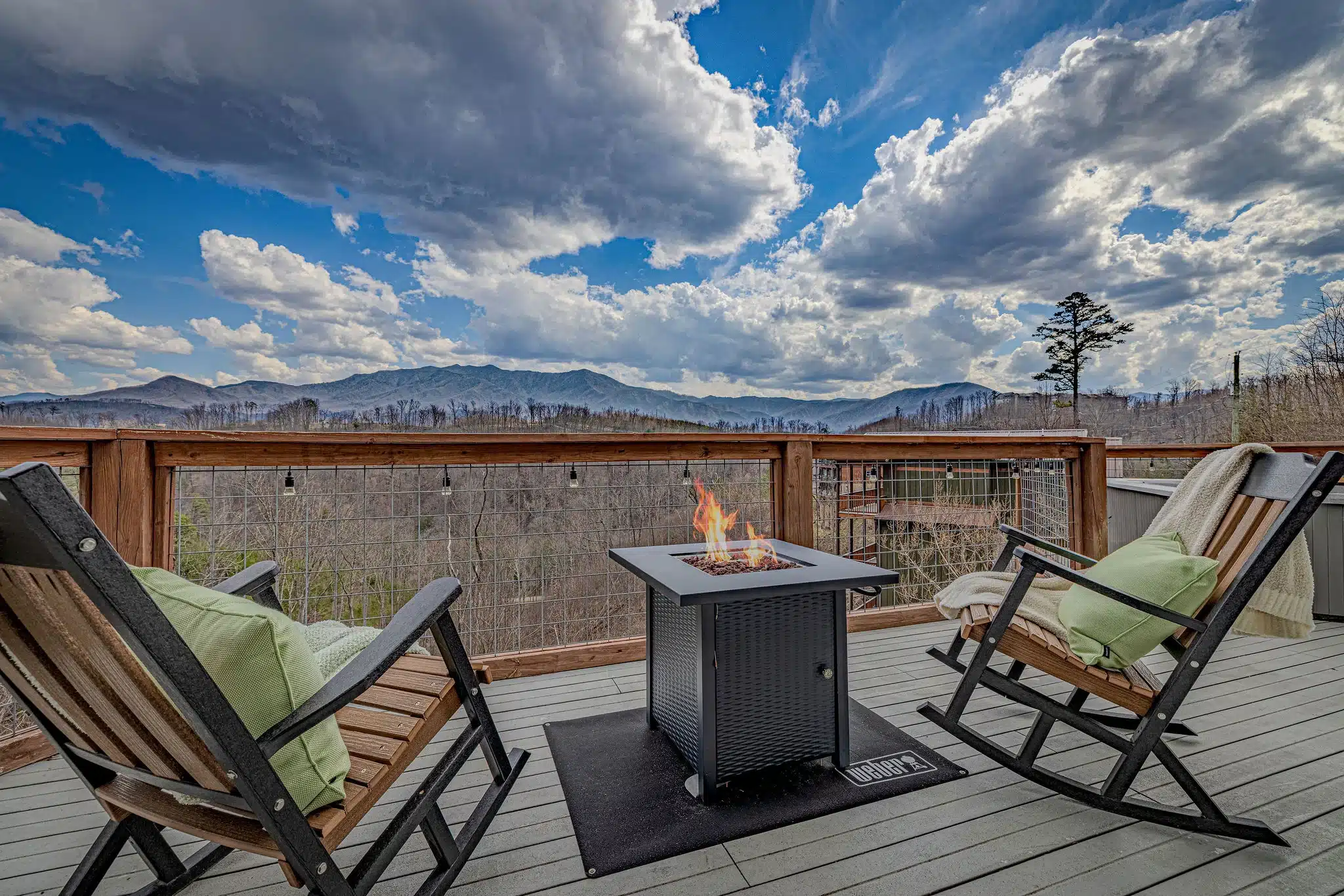
If a fall apple-butter run or a spring breakfast crawl is on your list this year, Summit View Lodge puts you three miles from downtown Gatlinburg’s restaurants and close enough to Pigeon Forge’s orchards for an easy half-day trip, with a fire pit deck waiting for you at the end of it. Check availability here.