
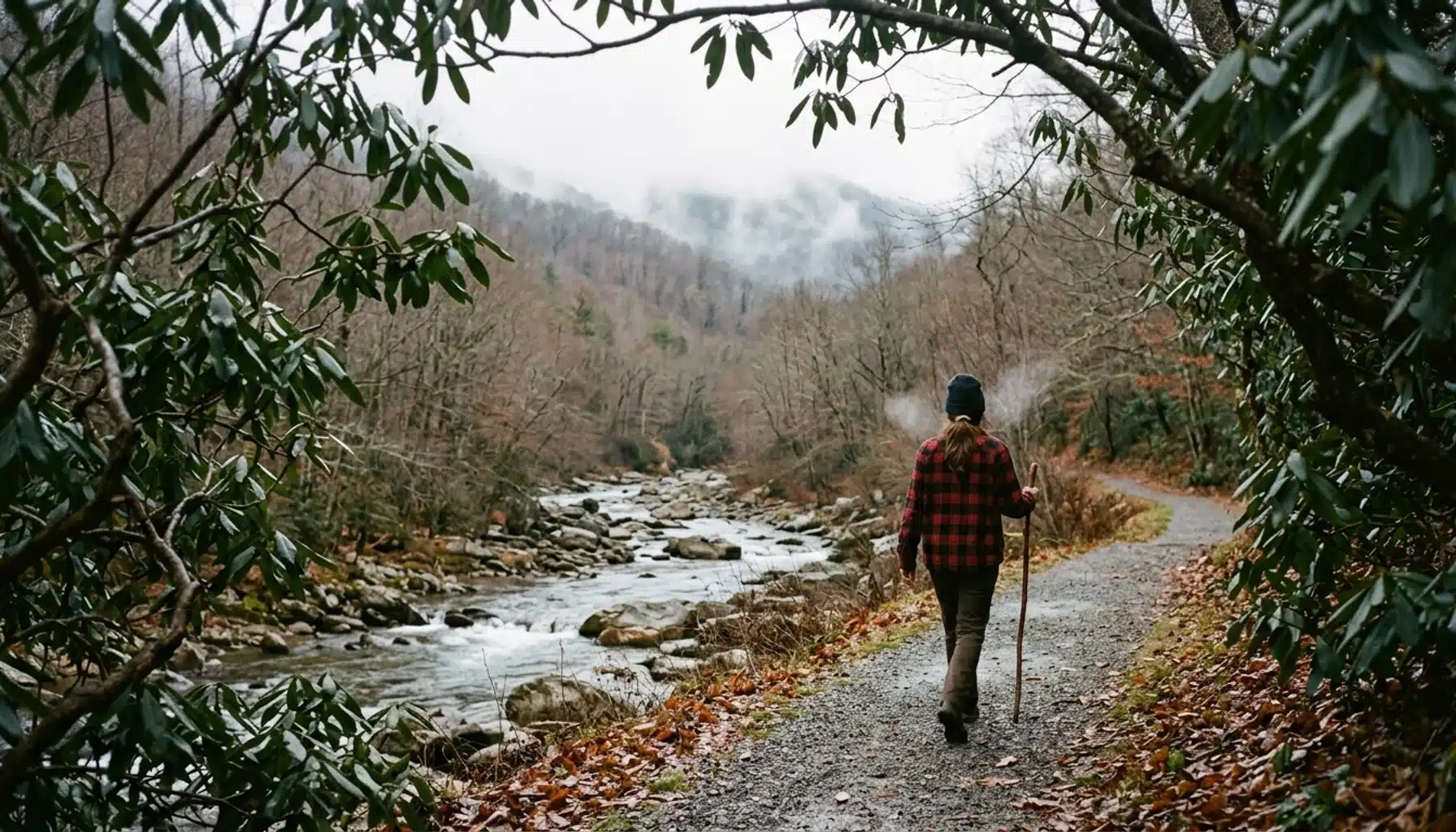
Gatlinburg’s best kept secrets are the quieter spots most first-time visitors drive right past: Greenbrier’s river swimming holes, the Roaring Fork Motor Nature Trail, the Great Smoky Arts and Crafts Community’s studio row, and a handful of family-run food stops tucked off the main Parkway. This list covers the places that actually stay uncrowded, plus the honest exceptions worth the crowd, and how to reach them from a quiet base above town.
Key Takeaways
- Greenbrier, about 10 minutes from downtown Gatlinburg on Highway 321, offers river access and quiet trails without the Parkway traffic, according to Gatlinburg.com’s official visitor guides.
- The Great Smoky Arts and Crafts Community forms an 8-mile loop and is described as the largest collection of independent artisans in North America.
- Great Smoky Mountains National Park drew approximately 12.2 million visitors in 2026 who spent more than $2 billion in nearby communities, per National Park Service data.
- Roughly 62% of surveyed 2026 park visitors reported also visiting Gatlinburg, according to National Park Service visitor-experience research.
- Cades Cove and Wears Valley provide quieter alternative entrances to the park than the main Sugarlands entrance during peak summer and fall weekends.
- Chalet Village North puts guests roughly 3 miles from downtown Gatlinburg and 4 miles from the national park entrance, a useful base for reaching these spots without staying in the thick of downtown traffic.
Every “hidden gems” article about Gatlinburg eventually runs into the same problem: half the places on the list show up in every other list too, and Anakeesta with its Chondola and treetop skywalks gets called a secret right next to a genuinely quiet river bend nobody photographs. This guide separates the two. Some entries here are still popular for good reason, and I’ll say so. Others are the places you find because you turned off the Parkway at the right moment.
At Summit View Lodge, we’ve spent years pointing guests toward the parts of Gatlinburg that don’t show up on a bumper sticker. Fourteen years of staying in short-term rentals across the U.S. and Europe taught the hosts here what makes a place worth the detour versus what’s just marketing copy. This is a practical walkthrough built for 2026 travel, with real drive times, honest crowd warnings, and a route plan so you’re not zigzagging across the county chasing a list.
You’ll get the true off-the-map spots, the operational details competitors skip (parking, hours, whether you need a park tag), and an honest read on which “hidden gems” are actually crowded now. If you’re staying in Chalet Village North or planning to, this also doubles as a day-by-day route from your front door.
1. Greenbrier: The Quiet River Escape Ten Minutes from Downtown
Greenbrier is a wooded section of Great Smoky Mountains National Park reached via Highway 321, roughly 10 minutes from downtown Gatlinburg, known for shallow river access and short trails without the Parkway’s summer gridlock. Unlike Cherokee Orchard or the Sugarlands entrance, Greenbrier sees a fraction of the traffic even in July.
Specifically, families come here to wade in the Middle Prong of the Little Pigeon River on hot afternoons; there’s no lifeguard and no facilities, so bring water shoes and watch current levels after rain. The Ramsey Cascades trailhead starts here too, though that hike runs long and steep for casual visitors.
For a shorter option, Porters Creek Trail begins near the ranger station and stays relatively flat for its first mile, passing an old cemetery and wildflower patches in spring. Parking is gravel, limited, and fills by mid-morning on weekends between June and October. Arrive before 9 a.m. or plan for a wait.
One honest caveat: Greenbrier has zero cell service and no restrooms beyond a single vault toilet near the trailhead, so plan accordingly and pack out everything you bring in.
What Are Some Hidden Secrets in Gatlinburg?
Gatlinburg’s genuine hidden secrets are the places locals frequent that rarely appear in mainstream tourism marketing: family-run food counters, small craft studios, and quiet pull-offs along scenic drives rather than ticketed attractions. The official Gatlinburg tourism guide lists a dozen of these local favorites, and several genuinely hold up.
Tom & Earl’s Back Alley Grill is a comfort-food spot tucked into central Gatlinburg, open daily for lunch and dinner, known for hearty breakfast plates and a no-frills counter setting that locals use as their regular diner, not their special-occasion spot. It’s an easy stop before a hiking day since it opens early.
Tennessee Stud Cider pours craft ciders in a setting that skews toward a relaxed, taproom feel rather than a tourist bar. Old School Music and Gifts and The Next Chapter Bookshop reward browsing if you want something other than another t-shirt shop.
For a genuinely under-visited stop, Black Bear Crafts and Rocky Flats Pottery & Soap showcase small-batch, locally made goods away from the main shopping strip. These businesses depend on foot traffic from people who actually seek them out, which is exactly why they stay quieter than the Parkway storefronts.
What Are Some Hidden Gems in the Great Smoky Mountains?
Hidden gems in Great Smoky Mountains National Park are the specific pull-offs, short trails, and historic sites that draw far fewer visitors than headline attractions like Clingmans Dome or Cades Cove Loop, despite being minutes away from them. The park logged approximately 12.2 million visits in 2026, per the National Park Service, and most of that traffic funnels through a handful of predictable stops.
The Roaring Fork Motor Nature Trail sits just outside downtown near The Park Vista Hotel and functions as a scenic loop drive rather than a hike, ideal for foliage viewing and spotting wildlife from the car window without committing to a trailhead. It closes seasonally in winter, so check current conditions before you go.
Ely’s Mill is a historic site tied to Gatlinburg’s early settler history, associated with Andrew Jefferson Ely, whose family legacy is still carried forward by his granddaughter according to Gatlinburg’s official history content. It’s a quiet stop for anyone interested in the valley’s pre-tourism story.
Inside Cades Cove, most visitors circle the 11-mile loop road by car and never leave it. Gourley’s Pond breaks that pattern: park near LeQuire Cemetery just past the south end of Sparks Lane, walk about 200 feet along the loop road, take the right-side path roughly 100 feet, then head southwest to reach the pond. It’s a wet-weather pond, meaning it can be dry without recent rainfall, so this is a seasonal gem, not a guarantee.
Cades Cove also offers horseback-riding tours and bicycle loops on designated vehicle-free mornings, a detail most first-time visitors miss entirely because they never get out of the car.
Wears Valley: The Quiet Alternative Entrance
Wears Valley provides a less congested approach to the park’s Metcalf Bottoms and Little Greenbrier areas compared to the main Sugarlands Visitor Center entrance off the Parkway. If your priority is avoiding traffic more than reaching a specific trailhead fast, this route is worth the extra few minutes.
2. The Great Smoky Arts and Crafts Community
The Great Smoky Arts and Crafts Community is an 8-mile loop of galleries, studios, and working artisan shops located about 10 minutes from downtown Gatlinburg, described by the official tourism guide as the largest collection of independent artisans in North America. It reads as a genuine local secret because most visitors never leave the Parkway to find it.
Arrowmont School of Arts and Crafts anchors the loop and is worth a stop even if you’re not shopping: you can view current gallery exhibitions, observe an in-session art class through the studio windows, and tour parts of the historic building. The Potter and the Park has a smaller storefront in The Village downtown and a larger working studio location within the Arts and Crafts Community loop itself, so if you like what you see downtown, the full selection is out here.
Budget a full afternoon if you want to actually browse rather than drive through; the loop has minimal foot traffic compared to downtown, and most studios welcome walk-ins without appointments. Parking is free at individual studios, though spaces are limited to a handful of cars at the smaller shops.
This is one spot where the “hidden gem” label genuinely holds. Despite decades of operation, it still sees a fraction of downtown’s foot traffic because it requires an intentional detour rather than a stroll off the sidewalk.
What Not to Miss in Gatlinburg
What not to miss in Gatlinburg includes both a few well-known attractions that earn their reputation and several quieter spots that rarely make the highlight reel. Skipping either category leaves a real gap in a Gatlinburg trip.
Gatlinburg SkyPark and its SkyBridge, billed as the longest pedestrian cable bridge in North America, is genuinely worth the crowds and the ticket price if you go early on a weekday and ride the chairlift up rather than fighting the midday line. The 360-degree Smokies views from the bridge are not overstated marketing; they hold up.
Anakeesta is similarly famous, not hidden, with its Chondola ride and treetop skywalks, and it earns a spot on any honest “must-see” list even though it’s the opposite of a secret. Go before 10 a.m. or after 4 p.m. to avoid the worst of the mid-afternoon lines.
What genuinely gets missed: Mynatt Park, off Cherokee Orchard Road, offers a picnic setting with a playground, basketball and pickleball courts, a walking trail, and a memorial tribute wall connected to the 2016 wildfires. It’s free, quiet, and almost entirely locals-only on weekday mornings.
The Salt and Pepper Shaker Museum holds more than 20,000 sets from around the world, with a reported $3 admission that can be applied toward a shaker purchase in the attached gift shop, per Visit My Smokies. It’s the kind of oddball stop that takes 20 minutes and gives you a genuinely different story to tell than another chairlift photo.
3. Off-the-Beaten-Path Food and Drink Stops
Gatlinburg’s quieter food scene centers on small, family-run counters and specialty shops that sit a block or two off the main Parkway strip, drawing repeat local business rather than one-time tourist stops. These places tend to have shorter waits and lower prices than the Parkway’s postcard restaurants.
New Orleans Sandwich Company, inside The Village Shops downtown, serves Cajun dishes including red beans and rice, po’boys, muffuletta, and jambalaya for lunch and dinner. It’s an easy stop if you’re already browsing The Village’s courtyard shops and want something more substantial than a snack.
Natural House of Jerky specializes in unusual flavors like chipotle bourbon, Cajun alligator, and black pepper elk, worth a stop for anyone hiking that afternoon and wanting portable protein that isn’t a granola bar. Mountain Edge Grill and The Shack at Glades round out the counter-service, locally run food options that don’t require a reservation or a long wait.
Maddog’s Creamery & Donuts serves the sweet-tooth crowd, and Gatlinburg Winery, right in downtown Gatlinburg and open seven days a week, is known specifically for its “cotton candy wine,” a novelty pour that’s more conversation piece than serious tasting. If you’ve got a picky group or kids in tow, our guide to Mexican restaurant picks near Gatlinburg covers a few more crowd-pleasing dinner options nearby.
Honest note: Tom & Earl’s and similar local counters get a genuine lunch rush from 11:30 a.m. to 1 p.m. on weekends. Go earlier or later if you want to skip the wait.
What Are Some Hidden Gems to Eat in Gatlinburg?
Hidden gem food stops in Gatlinburg are small, independently owned counters and specialty shops that serve locals as regular meal spots rather than tourist-marketed restaurants, and they’re usually found a block off the main Parkway strip. The businesses named above, Tom & Earl’s Back Alley Grill, New Orleans Sandwich Company, and Natural House of Jerky, all fit this pattern.
The common thread among these spots: they don’t rely on walk-in tourist traffic alone, so pricing tends to run lower than Parkway-front restaurants, and portions lean generous rather than photogenic. None require reservations, and most serve lunch through early dinner without a formal dress code or wait list.
If you’re staying above town at a cabin with a full kitchen, like a two-bedroom cabin in Chalet Village North, grabbing takeout from one of these counters and eating on a private deck with a mountain view often beats a crowded downtown sit-down entirely, especially during Gatlinburger Week or other food-focused events when downtown restaurant lines run long. Our full guide to Gatlinburger Week covers timing if you’re planning around that event.
Which Trails and Routes Fit a Realistic Day Plan?
A realistic Gatlinburg secrets route groups stops by geography rather than trying to hit every location on a single-tank tour. Specifically, three natural groupings work: a downtown walkable day, a Roaring Fork and Arts and Crafts Community day, and a Greenbrier or Cades Cove day.
For the downtown walkable day, start with breakfast at Tom & Earl’s, browse The Village Shops and grab lunch at New Orleans Sandwich Company, then walk to the Salt and Pepper Shaker Museum before an afternoon at Ober Gatlinburg. This keeps driving to zero and works well if you’re staying close to downtown.
For the Roaring Fork and Arts and Crafts Community day, drive the Motor Nature Trail loop first thing in the morning before traffic builds, then head to the 8-mile artisan loop for the afternoon, stopping at Arrowmont and two or three studios. Budget three to four hours total; this route needs a car and doesn’t work on foot.
For the Greenbrier or Cades Cove day, leave early, ideally before 8 a.m., since Cades Cove’s loop road gets heavy car traffic by late morning during summer and fall weekends. If you’re hiking Porters Creek Trail at Greenbrier, plan for a half-day round trip with lunch back in town after.
A parking tag or reservation is not currently required simply to enter Great Smoky Mountains National Park, but check the official National Park Service Great Smoky Mountains site for any current parking tag requirements at specific trailheads before you go, since these details change.
What Practical Details Do Most Lists Skip?
Most Gatlinburg hidden gems lists skip the operational details that actually determine whether a trip goes smoothly: cell coverage, restroom access, pet rules, and whether a specific site requires advance reservations. These gaps matter more than another attraction name.
Cell service drops out almost entirely at Greenbrier, Porters Creek Trail, and much of Cades Cove’s back sections, so download offline maps before you leave Gatlinburg proper. Restrooms are limited to vault toilets at most trailheads outside downtown; plan accordingly, especially with young kids.
Water safety matters at Greenbrier’s river access points: water levels rise quickly after upstream rain, and there’s no lifeguard or posted water-level warning system. Keep kids in sight and skip wading after a storm. At Gourley’s Pond, remember it’s seasonal and dependent on recent rainfall, so treat it as a bonus stop, not a guaranteed destination.
Wildlife distance rules apply everywhere in the park, including these quieter spots; black bears are active in the Smokies year-round, and staying at least 50 yards away is standard park guidance. Our local safety guide on bears in Gatlinburg covers what to do if you encounter one on a trail.
For hiking-focused trips generally, our complete trail guide for hiking near Gatlinburg breaks down difficulty ratings and distances for more established trails beyond what’s covered here.
Where Should You Stay to Reach These Spots Easily?
The best base for exploring Gatlinburg’s quieter corners sits close enough to downtown for easy access but far enough above the Parkway to avoid its traffic and noise, a description that fits Chalet Village North better than most downtown-adjacent rental clusters. Location matters as much as amenities when your day involves multiple drives to different park entrances.
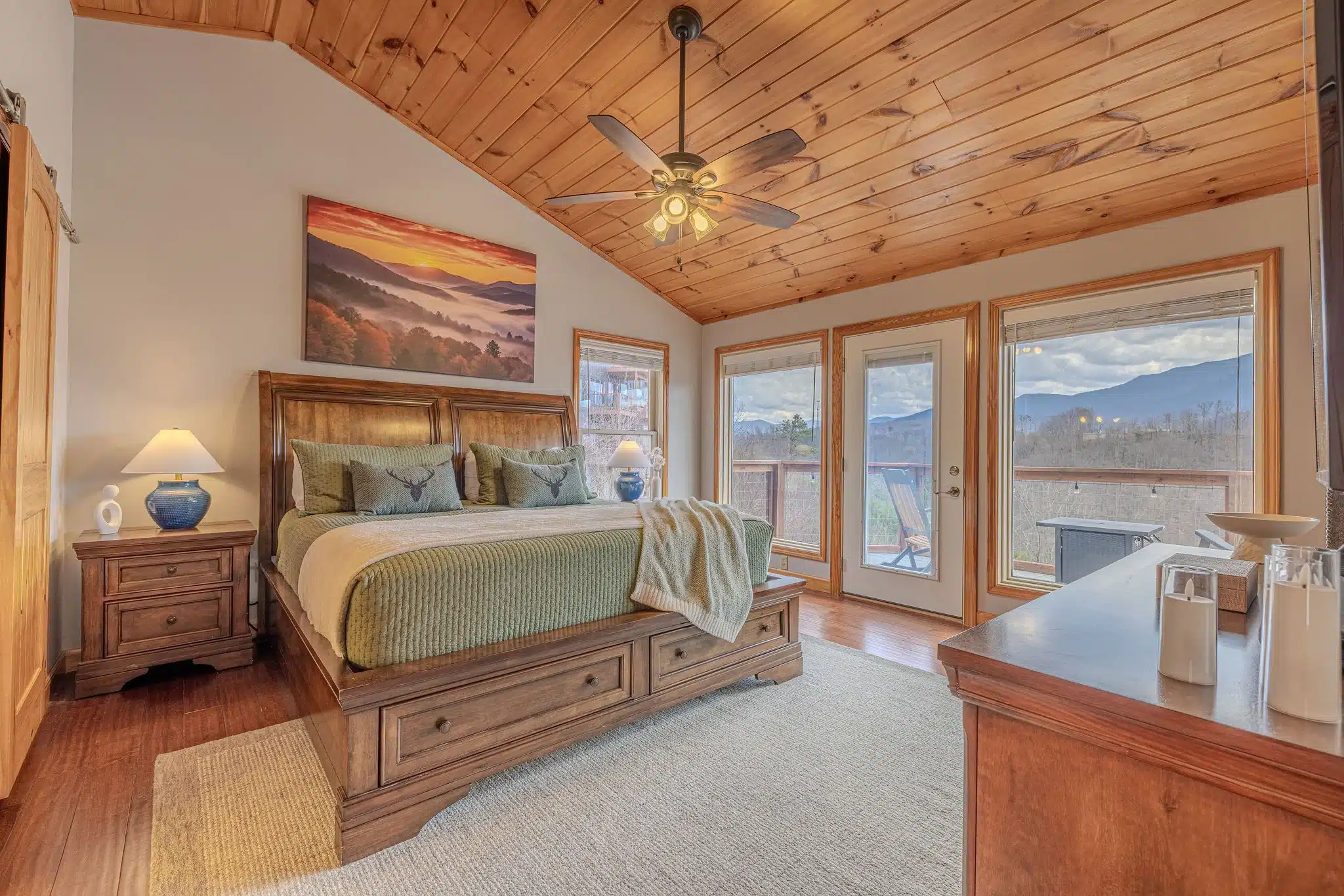
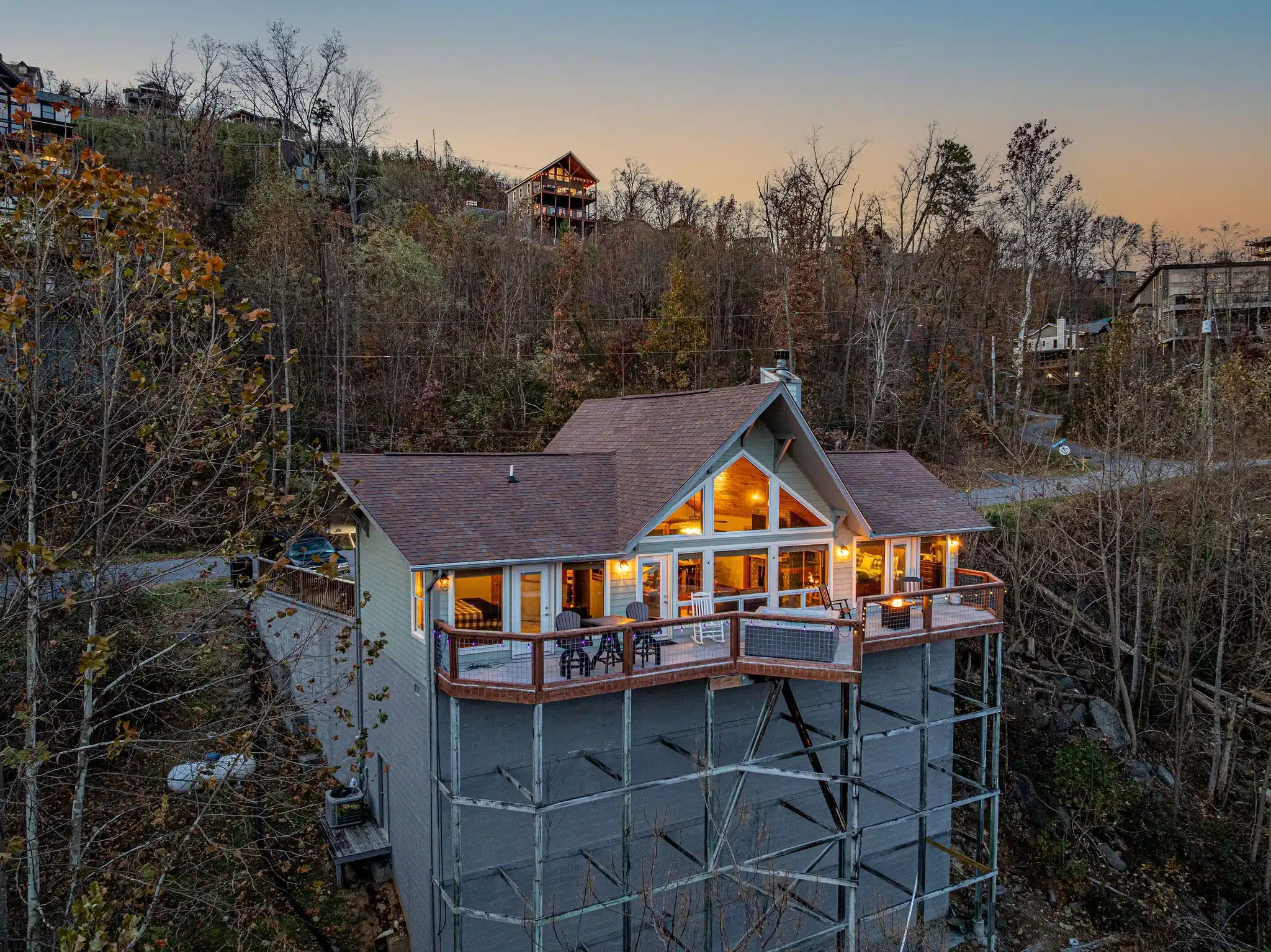
Summit View Lodge sits about 3 miles from downtown Gatlinburg and 4 miles from the national park entrance, putting Greenbrier, the Arts and Crafts Community loop, and downtown’s food counters all within a 15 to 20 minute drive. The cabin sleeps up to 5 guests across two king ensuite bedrooms plus a sleeper sofa, with a private hot tub and fire pit on the view deck for unwinding after a day spent chasing quieter trails.
A 180-degree view of Mt. LeConte fills the windows here, and the single-level layout with no interior stairs makes it a practical choice for multi-generational groups who want easy access without sacrificing the view. After a Greenbrier river hike or a full afternoon browsing the craft studio loop, the fully equipped kitchen means you’re not stuck driving back into town for dinner.
Guests also get seasonal access to three Chalet Village community pools from May through September, plus tennis courts and clubhouses, a nice add if your itinerary includes a rest day between hikes. For anyone weighing where to stay against the full range of nearby rentals, our guide to Smoky Mountains luxury cabin rentals covers the broader landscape.
How Should Solo Travelers and Small Groups Plan Around These Spots?
Solo travelers exploring Gatlinburg’s quieter attractions do best staying in a neighborhood that balances privacy with quick downtown access, since solo trips often mix independent exploring with occasional trips into town for food. Chalet Village North fits that pattern well, and its wooded, low-density layout of cabins feels calmer than staying directly on the Parkway.
For a solo trip, the Arts and Crafts Community loop works especially well since studios welcome browsing without a group, and the pace is entirely self-directed. Greenbrier’s shorter trails, like the first mile of Porters Creek, also suit solo hikers who want quiet without heavy trail commitment. Our full guide to solo travel in Gatlinburg goes deeper on neighborhood choice and trail pacing for one.
Small friend groups or girls trips benefit from the same base logic: a cabin deck with a hot tub and fire pit becomes the natural gathering point after a day spent splitting off between shopping the craft loop and hiking Greenbrier separately, then reconvening for dinner cooked in.
Practical Guidance: How to Prioritize Your Visit
Choosing which secrets to prioritize on a short trip comes down to matching your group’s energy level and timeline to the right mix of driving, walking, and hiking. Here’s a simple framework for deciding.
- If you have one day: pick either the Arts and Crafts Community loop (low effort, high payoff) or Greenbrier (more active, quieter crowds), not both.
- If you have two to three days: pair a downtown walkable day with one nature-focused day at Greenbrier or Cades Cove, leaving buffer time for weather delays.
- Avoid stacking Cades Cove and Roaring Fork on the same day; both involve slow-moving loop drives and the combined time eats an entire afternoon.
- Check seasonal closures before finalizing plans: Roaring Fork Motor Nature Trail closes in winter months, and Chalet Village pools close after Labor Day.
- Build in a rest afternoon at your cabin between active days; a hot tub soak after a full hiking day genuinely changes how the next morning feels.
Common mistakes to avoid: skipping offline maps before losing cell service, arriving at Greenbrier or Cades Cove after 10 a.m. on a summer weekend, and assuming every “hidden gem” list applies equally, since some spots (Anakeesta, SkyPark) are famous, not secret, despite showing up on secrets lists. For a broader look at how many days actually makes sense for a trip like this, see our guide on how many days is enough in Gatlinburg.
Frequently Asked Questions
What neighborhood in Gatlinburg is best for solo travelers?
Chalet Village North works well for solo travelers because it sits close to downtown Gatlinburg, roughly 3 miles, while staying quiet and low-traffic compared to Parkway-adjacent rentals. Its wooded, hillside layout suits travelers who want privacy at night and quick access to trails and town during the day.
What are the best months for enjoying Gatlinburg’s local cuisine and seasonal foods?
Fall, roughly September through November, tends to be the strongest season for local food events and seasonal menu items in Gatlinburg, with food and beverage spending representing a major share of Tennessee’s overall visitor spending in 2026. Spring and early summer also work well for local dining without the peak-season crowds that build by July.
What are the best solo traveler-friendly cabins in Gatlinburg with access to outdoor activities?
A cabin with a single-level layout, close proximity to hiking trailheads, and a private outdoor space tends to work best for solo travelers. Summit View Lodge, about 4 miles from the national park entrance with a private hot tub and fire pit deck, fits that profile for someone who wants both trail access and a quiet place to decompress alone.
What are the best seasonal vacation packages for experiencing Gatlinburg’s fall festivals?
Specific festival packages change year to year, so check the official Gatlinburg.com events calendar for current fall festival dates before booking. Generally, booking a cabin directly for a fall week gives more flexibility on check-in dates than package deals tied to specific festival weekends.
How far is Clingmans Dome from Gatlinburg?
Clingmans Dome sits roughly a 45 to 60 minute drive from downtown Gatlinburg via Newfound Gap Road, depending on traffic and seasonal road conditions. Our detailed guide on the Clingmans Dome to Gatlinburg drive covers distance, timing, and current access notes in more depth.
What are the top day trips from Gatlinburg?
Popular day trips from Gatlinburg include Cades Cove for its wildlife-viewing loop road, Wears Valley for a quieter park approach, and Pigeon Forge, about 10 miles away, home to Dollywood. Our 3-day Gatlinburg itinerary guide maps out how to combine day trips with in-town time realistically.
Is a quiet Gatlinburg cabin easy to book directly rather than through an OTA?
Yes, direct booking sites for individual Gatlinburg cabins typically offer transparent pricing and flexible check-in without third-party platform markups. Summit View Lodge, for example, books directly through its own site with self check-in via smart lock, avoiding the added fees some OTA bookings carry.
Conclusion: Which Gatlinburg Secrets Are Worth Your Time in 2026
The strongest picks from this list are Greenbrier for river access without Parkway traffic, the Great Smoky Arts and Crafts Community’s 8-mile studio loop, and a small cluster of local food counters like Tom & Earl’s Back Alley Grill and New Orleans Sandwich Company. Anakeesta and Gatlinburg SkyPark deserve their fame too, they’re just not secrets, and this list says so honestly rather than pretending otherwise.
With Great Smoky Mountains National Park drawing approximately 12.2 million visitors in 2026 and roughly 62% of surveyed park visitors also stopping in Gatlinburg, the quieter routes covered here matter more than ever heading into 2026. Staying above the traffic in Chalet Village North, rather than in the middle of it, makes reaching these spots simpler.
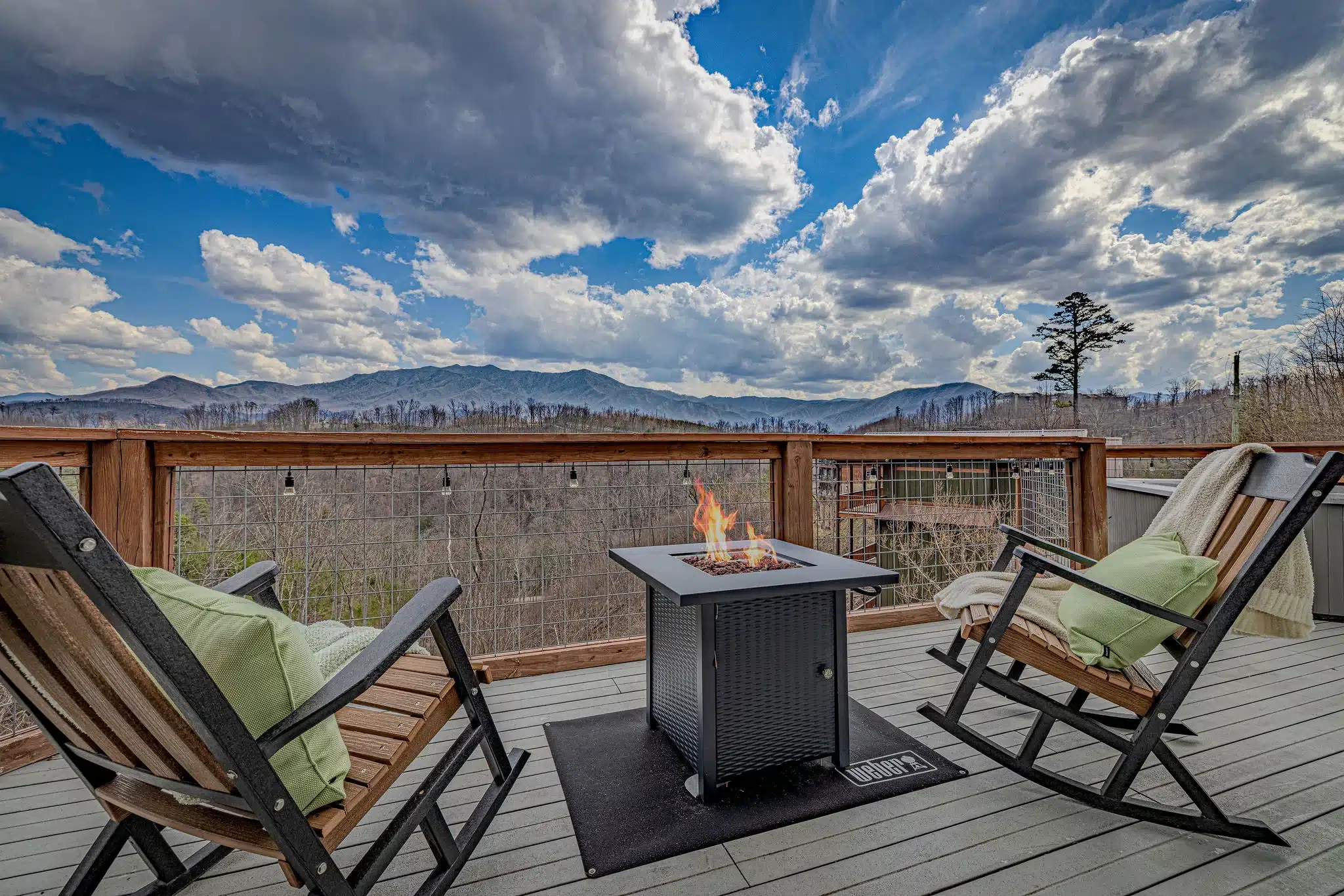
If a route full of quiet trails and craft studios sounds like your kind of trip, Summit View Lodge puts you 3 miles from downtown and 4 miles from the park entrance, with a private hot tub waiting on the deck after a day spent finding the spots most visitors drive past. Check availability here.